









Numb hands: is this normal or a sign of a problem?
Numbness in the hands is a common sensation that many people experience at some point in their lives. It can appear suddenly, come and go, or develop gradually over time, often accompanied by tingling, a “pins and needles” feeling, or reduced sensitivity. While this sensation is frequently harmless and temporary, it can sometimes be confusing or worrying, especially when it occurs repeatedly or without an obvious cause.

1.
Numb hands: is this normal or a sign of a problem?
Poor blood circulation: One of the most common causes is poor blood flow to the hands and feet. This can occur if you hold an uncomfortable position for long periods of time, such as sleeping on one arm or crossing your legs for hours.
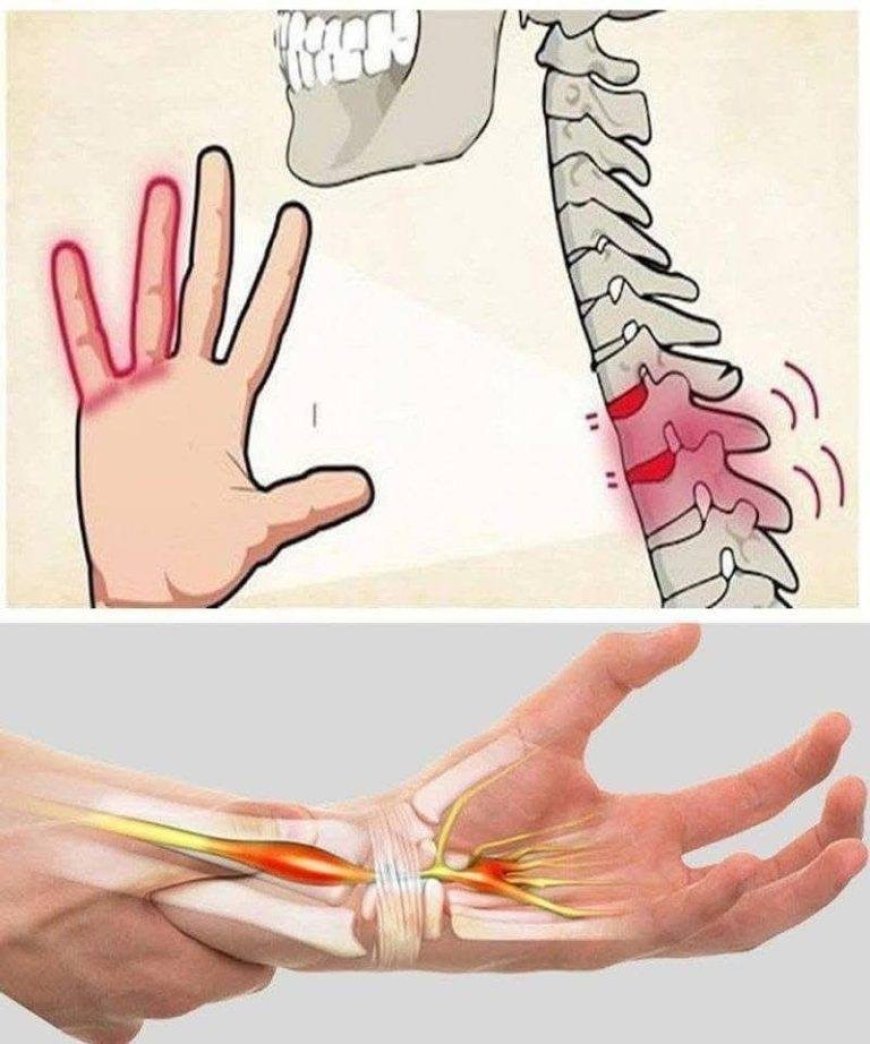
Nerve compression: The nerves that run from the spine to the extremities can be compressed due to poor posture, injury, or conditions such as sciatica or carpal tunnel syndrome.
Nutritional deficiencies: A lack of essential vitamins, such as B12, can affect nerve function and cause tingling.
Chronic diseases: Diseases such as diabetes, multiple sclerosis, or arthritis can cause nerve damage, leading to numbness and tingling.
Stress and anxiety: Emotional stress can manifest itself physically, causing muscle tension and affecting circulation, leading to numbness.
Exposure to cold: Low temperatures can reduce blood flow to the extremities, causing this tingling sensation.
Home remedies to relieve numbness
If the numbness is temporary and not related to a serious medical problem, you can try these home remedies to relieve the discomfort:
Improve your posture: avoid sleeping on your arms or crossing your legs for too long. Adopt positions that don’t strain your nerves.
Exercise your limbs: perform gentle movements with your hands and feet to improve blood circulation and reduce numbness.
Apply heat: Use a warm compress or soak your hands and feet in warm water to stimulate blood circulation.
Massage: Gently massaging the affected areas can help relax muscles and improve circulation.
Maintain a balanced diet: make sure you get enough vitamins and minerals, especially vitamin B12, magnesium and potassium, which are important for nerve health.
Reduce stress: practice relaxation techniques such as yoga, meditation, or deep breathing to reduce muscle tension.
When to seek medical help
Although temporary numbness is usually not a cause for concern, it is important to consult a doctor if:
Numbness persists or worsens over time.
It is accompanied by other symptoms such as muscle weakness, intense pain, or difficulty moving the limbs.
Tap the p.hoto to v.iew the full r.ecipe.