






Natural Insect Repellent: A Simple Kitchen Solution for Eliminating Flies
Flies have an uncanny ability to appear at the worst possible moments—hovering around fresh fruit, landing on kitchen counters, or buzzing relentlessly during warm afternoons in the garden. While they may seem like a minor nuisance, flies can quickly become a real problem, carrying bacteria from one surface to another and disrupting the comfort of your home. Many people reach for store-bought sprays or traps as a quick fix, only to be met with strong chemical smells, questionable ingredients, and solutions they’d rather not use around food, children, or pets.

1.
Natural Insect Repellent: A Simple Kitchen Solution for Eliminating Flies
Are you tired of swatting at flies in your home or garden? These persistent pests can be more than just annoying—they can spread bacteria and diseases. While commercial insect repellents and traps are available, many contain harsh chemicals you might not want around your family, pets, or food. Fortunately, there’s a simple, effective, and natural solution you can make using common kitchen ingredients.
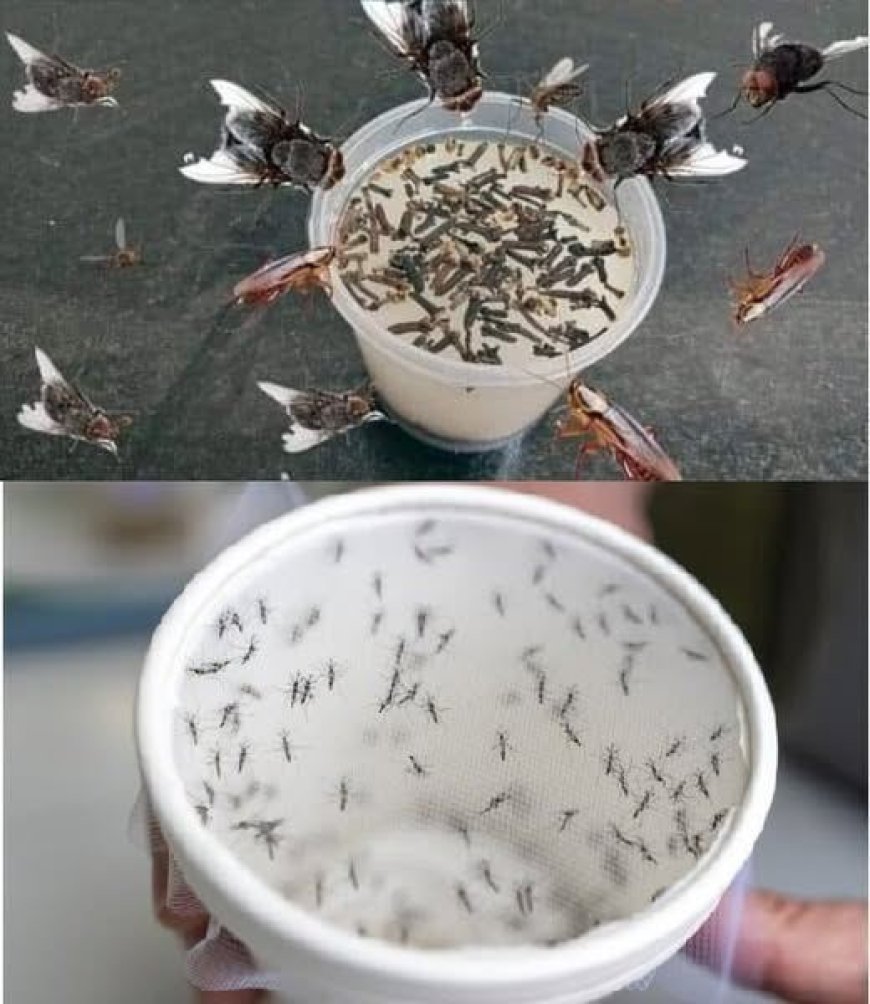
This DIY fly trap uses the power of natural attractants to lure flies in and prevent them from escaping. Best of all, it’s inexpensive, environmentally friendly, and can be assembled in under five minutes with items you likely already have in your kitchen.
Why Natural Fly Traps Work
Flies are naturally attracted to sweet and fermenting substances. By using these attractants in a specially designed container, we can create a trap that:
Draws flies in with irresistible aromas
Makes it difficult for them to escape
Eventually causes them to drown in the solution
The result is an effective, non-toxic way to control fly populations both indoors and outdoors.
What You’ll Need
Basic Materials:
A cup, jar, or small bowl
Plastic wrap or a sandwich bag
A rubber band
A toothpick or fork (for poking holes)
For the Bait (choose one option):
Option 1: Sugar and Milk Solution
1/4 cup milk
2 tablespoons sugar
A few drops of dish soap
Option 2: Apple Cider Vinegar Solution
1/4 cup apple cider vinegar
1 tablespoon sugar
A few drops of dish soap
Option 3: Wine or Beer Solution
1/4 cup leftover wine or beer
1 teaspoon sugar
A few drops of dish soap
Step-by-Step Instructions
Creating Your Fly Trap
Prepare your container: Choose a cup, jar, or small bowl. The wider the opening, the easier it will be for flies to enter.
Prepare your bait: Mix your chosen bait solution directly in the container. For example, if using the milk and sugar option, combine the milk and sugar in the container, then heat it slightly (in the microwave or on the stove) until the sugar dissolves. Allow it to cool before proceeding.
Add dish soap:
Add a few drops of dish soap to your bait mixture and stir gently. The soap breaks the surface tension of the liquid, causing flies to sink and drown rather than land on the surface.
Cover the container: Stretch plastic wrap tightly over the top of the container and secure it with a rubber band to ensure it stays in place.
Create entry points: Use a toothpick or fork to poke several small holes in the plastic wrap. These holes should be large enough for flies to enter but small enough that they’ll have difficulty finding their way out.
Optional enhancement: For extra attraction, you can smear a small amount of honey or sugar water around the holes to lure flies to the entry points.
Placement Tips for Maximum Effectiveness
Indoor use: Place traps near windows, fruit bowls, garbage cans, or other areas where you’ve noticed fly activity.
Outdoor use: Position traps away from seating areas, as they will initially attract flies before capturing them. Good locations include near garbage bins, compost piles, or garden areas with rotting vegetation.
Multiple traps: For severe infestations, place several traps around your home or yard for better coverage.
Why This Works
Each bait option works for slightly different reasons:
Milk and sugar: The milk begins to ferment, creating an odor that flies find irresistible. The sugar enhances the attraction.
Apple cider vinegar: The acetic acid in vinegar mimics the smell of fermentation that attracts fruit flies and some house flies. The added sugar increases its effectiveness.
Wine or beer: The fermenting alcohol scent is particularly attractive to fruit flies and some species of house flies.
In all cases, the dish soap is crucial as it breaks the surface tension of the liquid. Without it, flies could potentially land on the liquid, drink, and fly away. With the soap added, they break through the surface and drown.
Specialized Traps for Different Types of Flies
Different species of flies are attracted to different baits. Here’s how to target specific T.ippe-n Sie auf das Foto, um das volls-tändige Rezept anzu-zeigen