








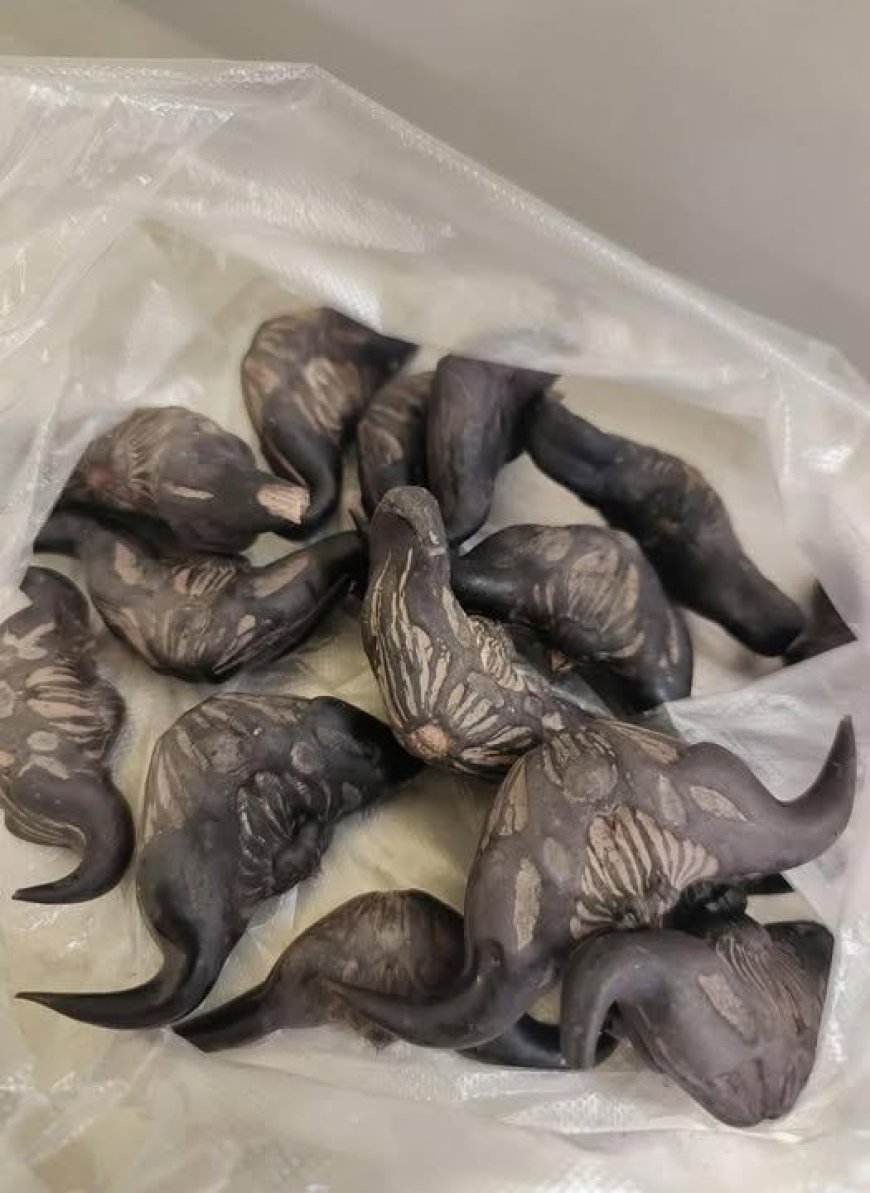
My neighbor gave me a bag of these… anyone know what they are? How do you eat them?
At first glance, the strange horn-shaped objects your neighbor gave you might look more like something out of a fantasy movie than food. With their dark shells and curved “horns,” many people are understandably confused when they first encounter Củ ấu, also known as water caltrop, buffalo nut, devil pod, horn nut, bat nut, or water chestnut. Despite its intimidating appearance, this unusual fruit has been eaten for centuries and holds an important place in traditional Asian cuisine and medicine.

3.
My neighbor gave me a bag of these… anyone know what they are? How do you eat them? Củ ấu also known as water caltrop, devil pod, buffalo nut, horn nuts, ling nuts, bat nut, mustache nut or water chestnut. This is a fruit and also nut forming from the water caltrop plant which is a water weed that blocks dense waterways. The fruits are boiled and the starchy inner meat is eaten. In Chinese medicine the fruit is known to cleanse the body. It is rich in potassium, starch, phenolic acid, and also shown to have anti cancer and a high level of antioxidants. To me the flavor is very similar to cassava and not much like a water Chestnut at all despite the name. A fun little nut to try if you want to switch up your starch sources. I’d recommend trying it if you ever get the chance.
Củ ấu comes from the water caltrop plant (Trapa), an aquatic plant that grows in lakes, ponds, and slow-moving waterways. While the plant itself can spread aggressively and sometimes clog water channels, its fruit is highly valued. In many regions, it is harvested seasonally and enjoyed as both a nutritious food and a traditional remedy.
How Do You Eat It?
Củ ấu is not eaten raw. The shell is extremely hard and must be cooked before consumption. The most common preparation method is simple boiling:
Rinse the fruits thoroughly
Boil them whole in water for about 20–30 minutes
Let them cool slightly
Crack open the hard shell
Eat the starchy white flesh inside
Once cooked, the texture becomes soft and slightly floury, similar to potatoes or cassava. Although it is often called a water chestnut, its flavor is much closer to root vegetables than the crisp water chestnuts commonly used in stir-fries.
Taste and Culinary Uses
The taste of Củ ấu is mild, slightly sweet, and earthy. Because of its neutral flavor, it pairs well with both savory and lightly seasoned dishes. Traditionally, it is eaten on its own as a snack, added to soups, or used as a starch substitute in various recipes. In some cultures, it is mashed or sliced and incorporated into rice dishes and vegetable stews.
Nutritional and Health Benefits
Củ ấu is more than just an interesting-looking food—it is also nutritionally impressive. It is rich in:
Potassium, which supports heart and muscle function
Starch, providing a steady source of energy
Phenolic acids and antioxidants, which help protect cells from oxidative damage
In traditional Chinese medicine, water caltrop is believed to help cleanse the body and support digestion. Modern studies have also shown that it contains compounds with potential anti-cancer properties and a high antioxidant profile, making it a valuable addition to a balanced diet.
Why It’s Worth Trying
Trying foods like
Củ ấu is a great way to expand your culinary horizons and explore traditional ingredients that have stood the test of time. While it may look unusual at first, its nutritional value, mild taste, and versatility make it a rewarding food to discover. If you’re looking to switch up your usual starch sources and enjoy something both traditional and nutritious, water caltrop is definitely worth a try.
So if you ever find yourself with a bag of these curious horned fruits again, you’ll know exactly what they are—and how to enjoy them properly.