







I Thought My Grandfather Left Me Only an Old Ring Until Someone Finally Explained Its Meaning
For most of her life, she believed her grandfather had simply been a quiet, ordinary man who preferred staying in the background. After his passing, while sorting through his belongings, she found an old silver ring that unexpectedly changed everything she thought she knew about him. What followed revealed a hidden story of loyalty, sacrifice, and a side of her grandfather that no one in the family had ever truly understood.

2.
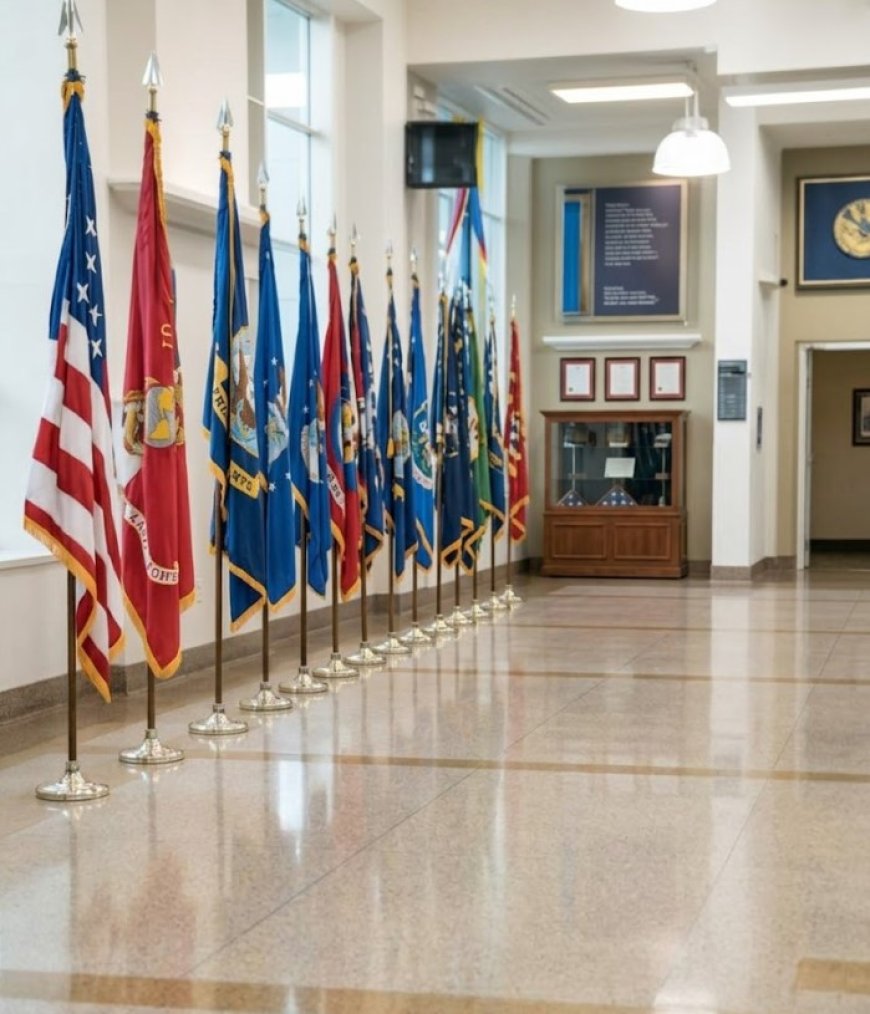
The hallway smelled faintly of floor polish, old paper, and coffee that had been sitting too long on a warmer. Bright fluorescent lights reflected sharply off the silver ring on my hand. Across from me, a retired general stared at it as though he had seen something impossible.
Behind us, applause echoed faintly through the ballroom walls while speeches continued somewhere in the distance. But the general’s attention never left the ring.
At that moment, I still believed the hardest part of losing my grandfather had been watching my family slowly drift away from him over the years.
I had no idea the real pain would come from learning how little we had truly understood him.
When I was a child, my grandfather taught me practical things in quiet ways.
How to hold a flashlight low during storms.
How to repair a bicycle tire patiently.
How to organize canned food so the older labels faced forward.
He believed small habits mattered.
My mother often joked that he treated ordinary life with “military precision,” though I would later realize it was not the precision that made people uncomfortable — it was the quiet competence behind it.
He rarely spoke about himself.
He fixed things for neighbors without asking for payment.
He read books about geography and history.
He folded blankets perfectly.
And he always wore the same silver ring on his right hand.
Growing up, my family described his military years as unremarkable.
“A few years of service,” they would say.
“Nothing special.”
I accepted that explanation for a long time.
Looking back, I now realize there were always clues that more existed beneath the surface.
Once, when I was preparing paperwork before leaving for basic training, he described the atmosphere inside a military transport vehicle with such detail that it startled me.
Not just the fear.
The smell of fuel.
The silence.
The tension in the air when nobody wanted to speak first.
It was far too specific for someone whose service had supposedly been “ordinary.”
Still, I never asked more questions.
Life moved quickly.
And my grandfather never tried to force his stories on anyone.
He lived quietly in a small house in Ohio with a vegetable garden, a sagging porch, and a mailbox that never closed properly.
He repaired things for neighbors, visited the library every Tuesday, and spent most evenings drinking coffee in his kitchen while soft music played from an old radio.
Most people saw him as quiet background
in a family full of louder personalities.
I am ashamed to admit that for many years, I did too.
When he was admitted to the hospital, I arrived early one morning carrying his glasses because someone had forgotten to bring them.
The room smelled faintly of disinfectant and coffee.
He looked smaller than I remembered.
But when he saw me, he smiled gently.
“Guess you’re the one who still remembers me,” he said quietly.
I told him the rest of the family would come soon.
He gave the smallest shake of his head.
“They won’t,” he replied calmly.
There was no anger in his voice.
That somehow made it harder to hear.
A few days later, he passed away peacefully while I was briefly in the hallway getting coffee.
The hospital staff moved with soft efficiency afterward, quietly organizing paperwork and preparing the room.
At the funeral, only a few neighbors attended.
I paid for most of it myself because nobody else stepped forward.
I remember standing beside the flowers feeling overwhelmed by one painful realization:
I had loved my grandfather deeply.
But I had never fully known who he really was.
A few weeks later, I attended a veterans’ ceremony with a colleague.
I wore my grandfather’s silver ring simply because it made me feel close to him.
That was when the general noticed it.
He crossed the room immediately and asked where I had gotten it.
When I explained it belonged to my grandfather, his entire expression changed.
He quietly asked me to follow him into a private room.
Once inside, he spoke my grandfather’s name carefully.
“Thomas Hail.”
Then he explained something that completely changed my understanding of the man I thought I knew.
My grandfather had served in a specialized military recovery unit during the war.
According to the general, this unit had one responsibility:
They returned for people others believed could not be reached.
Pilots.
Soldiers.
Translators.
Anyone left behind during difficult operations.
The general himself had once been rescued by my grandfather after a mission went wrong.
“He refused to leave people behind,” the general said quietly.
“He went back when others thought the situation was impossible.”
The general explained that my grandfather had once been recommended for a major military honor but declined all public recognition.
He never attended ceremonies.
Never spoke publicly.
Never wanted attention.
I asked the obvious question.
“Why?”
The general looked at the ring again before answering.
“Because he believed some experiences should remain personal,” he said softly.
“He never wanted difficult moments turned into stories for applause.”
Then the general handed me an old sealed envelope.
Tap the p.hoto to c.ontin.ue rea.ding the ar.ticle.