







A Nutrition Guide for Healthier Nails
Most people think nail ridges are just a cosmetic issue or a natural sign of aging, but your nails can reveal much more about your overall health than you might expect. Subtle changes in texture, strength, and appearance often develop gradually, making them easy to ignore at first. However, the body frequently sends quiet signals long before more obvious symptoms appear. From nutrient intake to hydration levels, the condition of your nails can reflect how well your body is functioning internally. Understanding what contributes to healthier nails may help you notice important patterns earlier and encourage small daily habits that support long-term wellness from the inside out.

2.
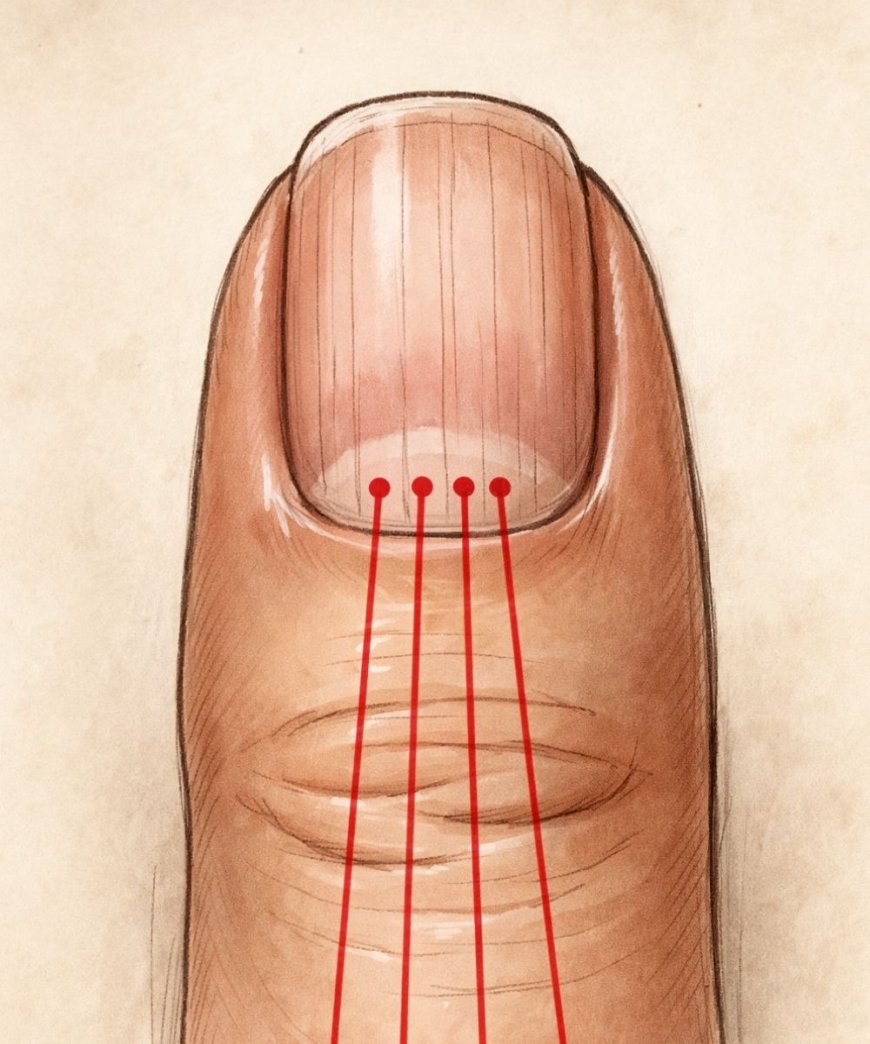
Nails are often viewed as a simple cosmetic feature, but they can provide valuable insight into what is happening inside the body. The strength, texture, and appearance of nails are closely connected to overall health, especially when gradual changes begin to appear over time. One of the most common concerns people notice is the appearance of vertical ridges running from the base of the nail to the tip. In many cases, these ridges are completely harmless and become more visible as part of the natural aging process. As the body changes with time, nail growth patterns may also shift, causing texture differences that were not noticeable before.
However, some nail changes may also reflect nutritional imbalances or lifestyle factors
that deserve attention. When nails become unusually brittle, thin, rough, or prone to splitting, the body may be signaling that it is not receiving the nutrients needed to maintain healthy nail growth. Because nails grow slowly, these signs can develop gradually and are often overlooked until the changes become more obvious.
The good news is that improving nail health often begins with simple dietary adjustments rather than complicated treatments.
Protein is one of the most important building blocks for strong nails. Nails are primarily made of keratin, a structural protein responsible for durability and flexibility. Without adequate protein intake, the body may struggle to produce keratin efficiently, leading to weaker nails that break or ridge more easily.
Adding consistent protein sources throughout the day can help support healthy nail structure. Foods such as eggs, poultry, fish, Greek yogurt, beans, lentils, tofu, and nuts all provide nutrients that contribute to keratin production. Consistency is more important than consuming large amounts at once, as the body benefits from a steady supply over time.
Biotin, also known as vitamin B7, is another nutrient commonly associated with nail health. It supports keratin infrastructure and may help improve nail thickness and resilience when included regularly in the diet. People with brittle nails often notice improvements when biotin-rich foods become part of their routine.
Fully cooked eggs are one of the best natural sources of biotin. Almonds, walnuts, spinach, sweet potatoes, sunflower seeds, and fatty fish such as salmon also contribute valuable amounts. Over time, these foods may help nails appear smoother and less fragile.
Iron also plays an essential role in maintaining healthy nails. When iron levels become too low, the body focuses on more critical internal functions first, which can affect nail quality. Nails may appear thinner, weaker, or more textured when the body lacks adequate iron stores. In some cases, fatigue and low energy levels may accompany these visible changes.
Foods rich in iron include lean meats, chicken, lentils, chickpeas, pumpkin seeds, spinach, and fortified grains. Pairing plant-based iron sources with vitamin C-rich foods such as oranges, strawberries, or bell peppers can help improve absorption and make the iron more effective within the body.
Zinc supports cell growth and repair, which are essential processes for healthy nails. Because the body does not store large amounts of zinc naturally, regular dietary intake is important. Low zinc intake may contribute to slower nail growth, visible ridges, or small white spots appearing on the nails.
Foods such as seeds, nuts, oysters, beef, dairy products, legumes, and whole grains provide valuable zinc that supports overall nail maintenance. Even moderate but consistent intake can contribute to stronger nails over time.
Hydration also plays a surprisingly important role in nail appearance. Dry nails often appear more brittle and textured, making ridges more noticeable. Healthy fats, especially omega-3 fatty acids, help maintain moisture within the nail bed and support flexibility.
Fatty fish such as salmon, sardines, and mackerel are excellent sources of omega-3 fatty acids. Plant-based options like flaxseeds, chia seeds, hemp seeds, and walnuts can provide similar benefits. These healthy fats also support circulation, helping nutrients travel more effectively throughout the body.
Water intake should not be underestimated either. Even when nutrient intake is balanced, dehydration can contribute to dry, fragile nails that split more easily. Drinking enough water consistently throughout the day supports not only nail health but also skin elasticity, digestion, and overall body function. Water-rich foods such as cucumbers, watermelon, celery, and oranges can also contribute to hydration.
It is important to remember that nail improvements usually happen slowly. Nails grow gradually, so visible changes may take weeks or even months to appear. Long-term consistency tends to produce far better results than short-term solutions or quick cosmetic fixes.
At the same time, not every nail change is connected solely to nutrition. Sudden discoloration, deep horizontal lines, severe brittleness, discomfort around the nails, or dramatic texture changes may indicate other underlying concerns that deserve professional evaluation. Paying attention to these signals can help people respond earlier instead of dismissing them as minor cosmetic issues.
Tap the p.hoto to c.ontin.ue rea.ding the ar.ticle.