








Your teeth will look like this as you eat.
A healthy smile is often associated with strong, bright teeth, but not all dental concerns are as simple as surface stains or brushing habits. While factors like diet, oral hygiene, and lifestyle certainly influence how our teeth look and feel, there are cases where the root of the problem lies much deeper—hidden within the very process of tooth development. For some individuals, changes in color, texture, or sensitivity are not the result of neglect, but rather a condition that has been present since the earliest stages of life.

2.
Teeth are formed through a highly complex biological process, where specialized cells work together to build enamel—the protective outer layer that shields against daily wear, temperature changes, and decay. When this process is disrupted, even slightly, the effects can become visible and persistent over time. Unlike common dental issues that can be corrected with routine care or cosmetic treatments, developmental conditions affecting enamel require a different level of understanding and management.
This is where conditions like Amelogenesis Imperfecta come into focus. Though relatively rare, they highlight how genetics can influence not only our overall health but also the structure and resilience of our teeth. For those affected, the experience goes beyond appearance; it can shape daily habits, comfort, and even self-confidence. Recognizing the signs early and understanding the underlying causes is essential for finding the right approach to care and treatment.
Ever notice your teeth looking unusually yellow, sensitive, or prone to chipping? While coffee or brushing habits can play a role, sometimes the cause goes deeper. In rare cases, the issue begins during tooth development itself.
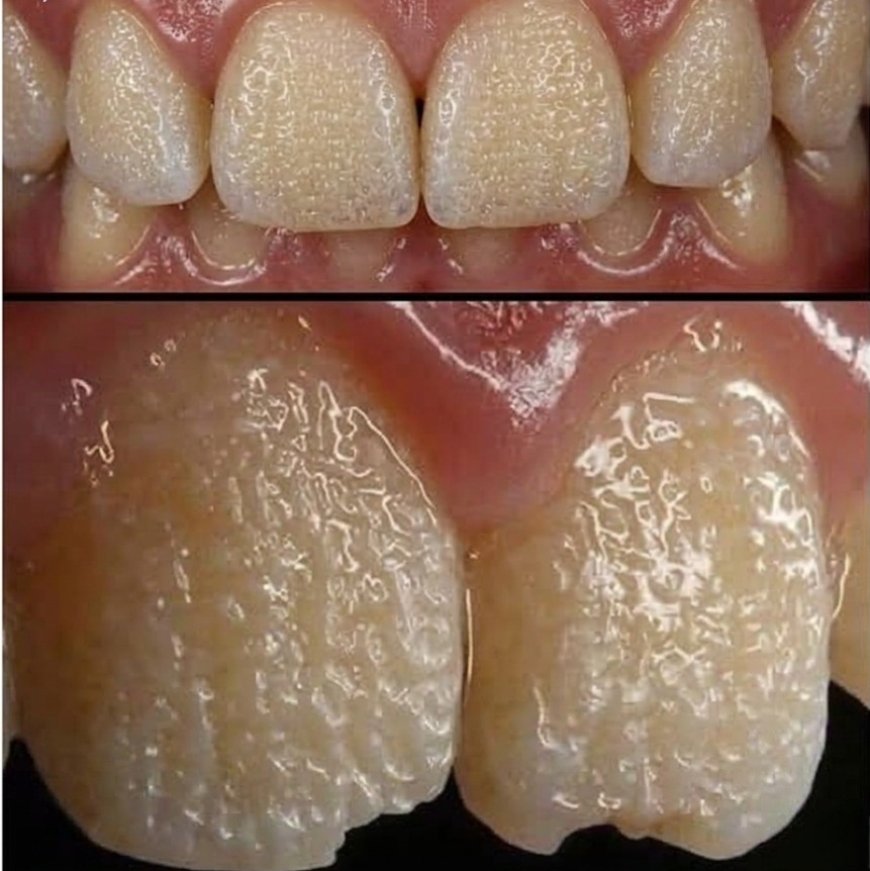
One possible explanation is Amelogenesis Imperfecta (AI), a genetic condition that affects enamel—the hard outer layer that protects teeth. When enamel doesn’t form properly, teeth can appear discolored, fragile, pitted, or unusually small.
Enamel is the hardest substance in the human body, created by specialized cells during early development. In AI, genetic mutations disrupt this process, leading to enamel that may be too thin, too soft, or poorly
mineralized.
Because enamel protects the sensitive dentin beneath it, people with AI often experience discomfort with hot, cold, or sweet foods. Both baby and permanent teeth can be affected, and the condition cannot be reversed with whitening or routine brushing.
Beyond physical symptoms, AI can impact confidence. Visible differences may cause self-consciousness, especially for children and teens. Ongoing dental work and sensitivity can also affect eating habits and daily comfort.
There are several types of AI. In hypoplastic AI, enamel is thin but hard. In hypomaturation AI, enamel forms at normal thickness but is softer than usual. Tap the p.hoto to v.iew the full r.ecipe.