







Your Glass Top Stove Can Shatter If You Make This Mistake
Modern kitchens often feature sleek appliances designed to combine style with practicality, and glass top stoves are a perfect example. Their smooth surface, minimalist look, and easy-to-clean design make them a popular choice in many homes. Unlike traditional coil or gas stoves, glass cooktops offer a flat cooking area that not only looks elegant but also helps maintain a tidy and modern kitchen environment.

1.
Your Glass Top Stove Can Shatter If You Make This Mistake
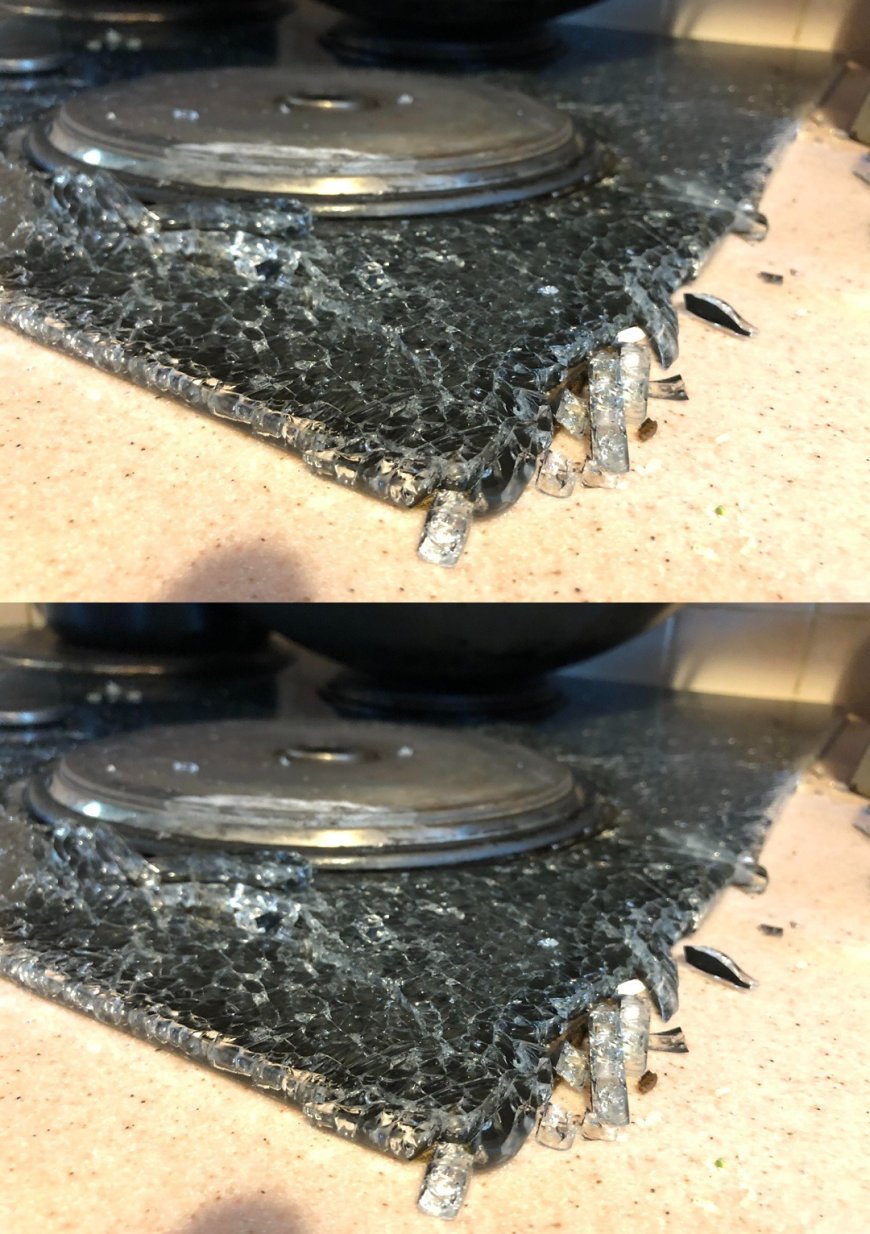
Glass top stoves are sleek, modern, and easy to clean, making them a popular choice for kitchens. However, their delicate glass-ceramic surfaces can be prone to damage if certain precautions aren’t taken. One common but avoidable mistake could lead to your stove shattering—a costly and dangerous situation. Here's what you need to know to keep your glass top stove safe and functional.
The Mistake That Can Cause Shattering
Using improper cookware or subjecting the glass surface to extreme temperature changes is one of the leading causes of glass top stove breakage. Specifically:
Cookware with Rough or Damaged Bottoms :
Placing pots and pans with rough, warped, or scratched bottoms on a glass top stove can scratch or chip the surface. Over time, these imperfections weaken the glass and increase the risk of cracking under heat or pressure.
Sudden Temperature Changes (Thermal Shock) :
Exposing the glass to rapid temperature fluctuations—such as placing
a cold pan directly onto a hot burner or pouring cold water onto a heated surface—can cause thermal shock. This stress may lead to cracks or even complete shattering.
Using Incompatible Cookware :
Some types of cookware, like cast iron skillets with unsmooth bases or oversized pots that extend beyond the burner area, can distribute heat unevenly or apply excessive pressure to the glass. This strain can compromise the integrity of the surface.
How to Prevent Shattering
To protect your glass top stove from damage, follow these simple tips:
1. Choose Compatible Cookware
Opt for flat-bottomed, smooth cookware made from materials like stainless steel, clad aluminum, or enameled cast iron.
Avoid using warped, chipped, or excessively heavy pans, as they can scratch or put undue stress on the glass.
2. Avoid Sudden Temperature Changes
Never place a cold pot or pan directly onto a preheated burner.
Similarly, avoid pouring cold liquids onto a hot stove surface.
Allow both the cookware and the stove to cool down gradually before cleaning or handling.
3. Handle with Care
Don’t drag or slide cookware across the glass surface, as this can cause scratches or chips.
Lift pots and pans gently when moving them on or off the stove.
Use trivets or heat-resistant pads to protect the surface when setting down hot items.
4. Clean Properly
Clean spills immediately to prevent buildup that could scratch the surface.
Avoid abrasive cleaners or scrubbers, which can damage the glass. Instead, use a Tap the p.hoto to v.iew the full r.ecipe.