









Why Drooling During Sleep Can Happen More Often Than You Think
Sleep is supposed to be the time when your body fully relaxes, recharges, and restores itself—but sometimes, that deep relaxation comes with small, unexpected side effects. One of the most common (and often misunderstood) is drooling during sleep. While it might feel awkward or even concerning, it’s actually something many people experience at some point, whether occasionally or more regularly.

1.
Why Drooling During Sleep Can Happen More Often Than You Think
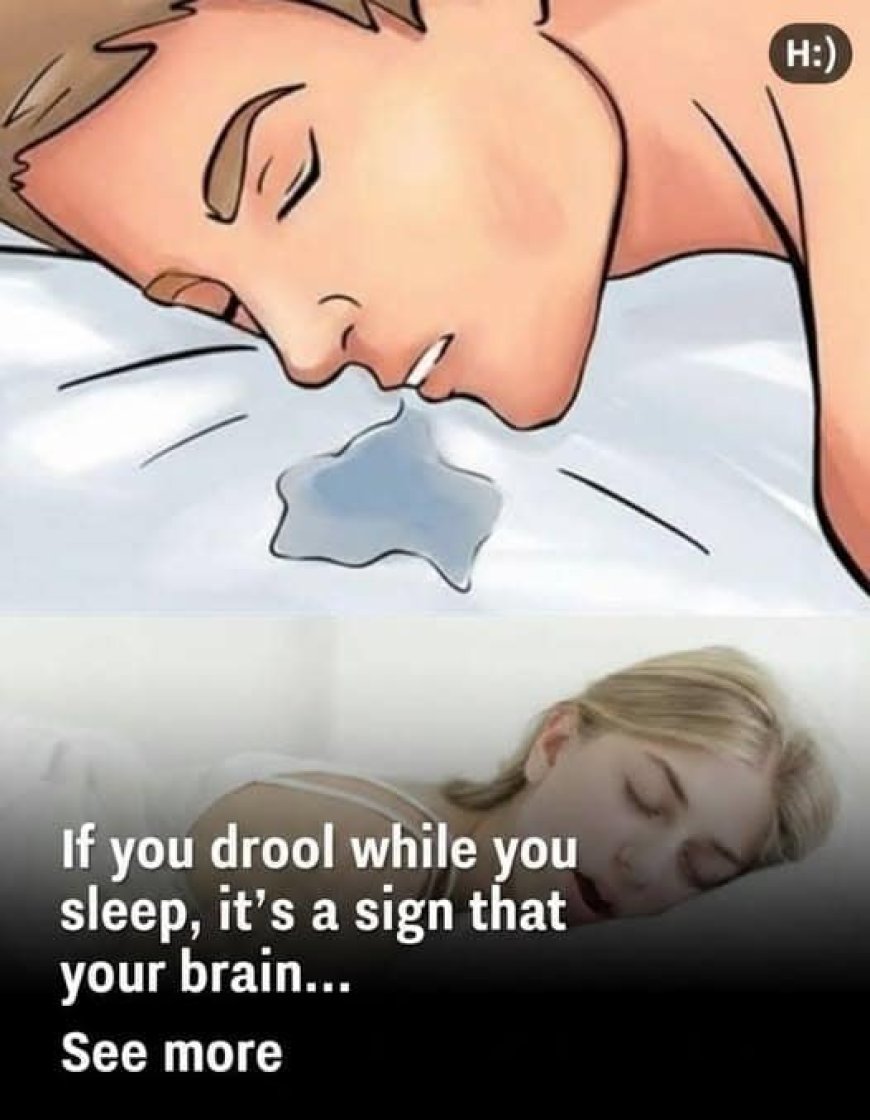
Drooling while you sleep—also called sialorrhea—is far more common (and usually less concerning) than most people realize. While it might feel embarrassing, occasional drooling is often just a harmless side effect of your sleep position, nasal congestion, or even medication. But in some cases, it can signal an underlying issue worth exploring.
Here’s what’s really going on—and when to pay attention.
Common, Harmless Causes
1. Sleep Position
Side
or stomach sleeping causes saliva to pool and leak out of the mouth.
Solution: Try sleeping on your back with a supportive pillow.
2. Nasal Congestion or Allergies
When your nose is blocked (from a cold, allergies, or sinus issues), you breathe through your mouth—which relaxes the jaw and allows saliva to escape.
Solution: Treat congestion with saline spray, antihistamines, or a humidifier.
3. Deep Sleep or REM Sleep
During deep or REM sleep, muscle tone decreases—including in your face and throat. This natural relaxation can cause temporary drooling.
Totally normal, especially after a long, restful night.
4. Medications
Some drugs increase saliva production, including:
Certain antidepressants (like SSRIs)
Antipsychotics
Cholinesterase inhibitors (used for Alzheimer’s)
Check with your doctor before stopping any medication.
Less Common—but Worth Noting—Causes
5. Acid Reflux (GERD)
Stomach acid irritates the esophagus, triggering excess saliva as a protective buffer (“water brash”).
Often accompanied by heartburn or a sour taste at night.
6. Dental or Oral Issues
Misaligned teeth, ill-fitting dentures, or oral infections can alter mouth posture and saliva flow.
7. Neurological Conditions (Rare)
Conditions like Parkinson’s disease, stroke, or ALS can affect swallowing or facial muscle control, leading to chronic drooling.
But: This is usually accompanied by other symptoms (tremors, slurred speech, weakness).
Occasional drooling (e.g., after allergy season or during a cold)
Only happens in certain sleep positions
No other symptoms (like choking, difficulty swallowing, or daytime drooling)
Tap the p.hoto to v.iew the full r.ecipe.