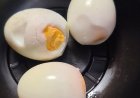








Why do we observe a greenish ring around the yolk of hard-boiled eggs
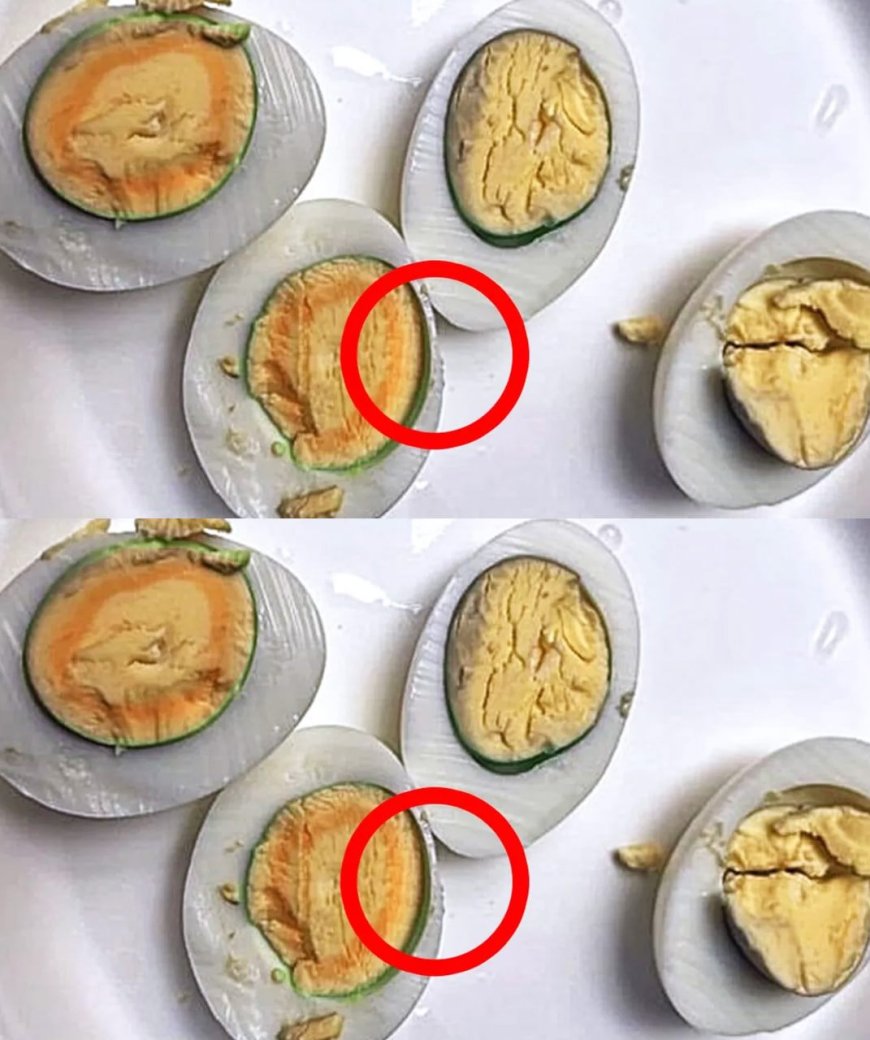
Have you ever peeled a hard-boiled egg only to find a grayish-green ring encircling the yolk and immediately thought something went wrong? It’s a surprisingly common sight, and while it may look unappetizing, it often raises unnecessary concern. Many home cooks assume the egg is spoiled or unsafe to eat, when in reality, the explanation is much simpler—and completely harmless.

2.
Why do we observe a greenish ring around the yolk of hard-boiled eggs?
Why do we see a greenish ring around the yolk of hard-boiled eggs?
Have you ever opened a hard-boiled egg thinking you’d overcooked it because a green ring surrounded the yolk? Don’t worry: this very common phenomenon is nothing to be alarmed about. And yet, it’s always a little disappointing when you were hoping for a perfectly golden, clear, and appetizing yolk. Fortunately, a few simple steps are all it takes to say goodbye to
that greenish border and get eggs worthy of a Parisian brunch.
Why does this green ring actually appear?
The explanation is purely natural. When an egg is cooked for too long or at too high a temperature, two elements inside—the iron in the yolk and the sulfur in the white—react together. The result: a slight greenish deposit forms around the yolk.
Good news: it’s neither dangerous nor a sign that the egg is spoiled. It’s simply the mark of overcooking!
Perfect cooking: the foolproof method
There’s a simple technique, approved by everyone who wants perfectly hard-boiled eggs, without any unwanted discoloration.
Always start with cold water.
Place your eggs in a saucepan, cover them with a few centimeters of cold water, and heat gently.
As soon as it boils, turn off the heat.
As soon as the water starts to boil vigorously, turn off the heat. This trick prevents the egg from overheating.
Let it rest.
Cover the saucepan and leave the eggs in the hot water.
• 9 minutes for a soft, creamy yolk,
• 12 minutes for a firm yolk, perfect for a picnic.
An ice bath for perfect results
The ultimate secret: plunge them immediately into very cold water. The thermal shock stops the cooking process and prevents the formation of the dreaded green ring.
Peel them without stress
After five minutes in ice water, the shell comes off easily, especially if you crack it under running water.
Bonus tips for even better eggs
Because we like to go beyond the simple recipe, here are a few tips that really make a difference:
Choose eggs that are a few days old: they peel much more easily than very fresh ones.
Add a pinch of salt or a splash of vinegar to the water: this reduces the risk of cracks during cooking.
Store them properly:
in their shells, up to a week in the refrigerator;
already peeled, 2 to 3 days maximum. What to do with hard-boiled eggs? A few quick i
Tap the p.hoto to v.iew the full r.ecipe.