








Why Do Oven Doors Shatter and How to Prevent It?
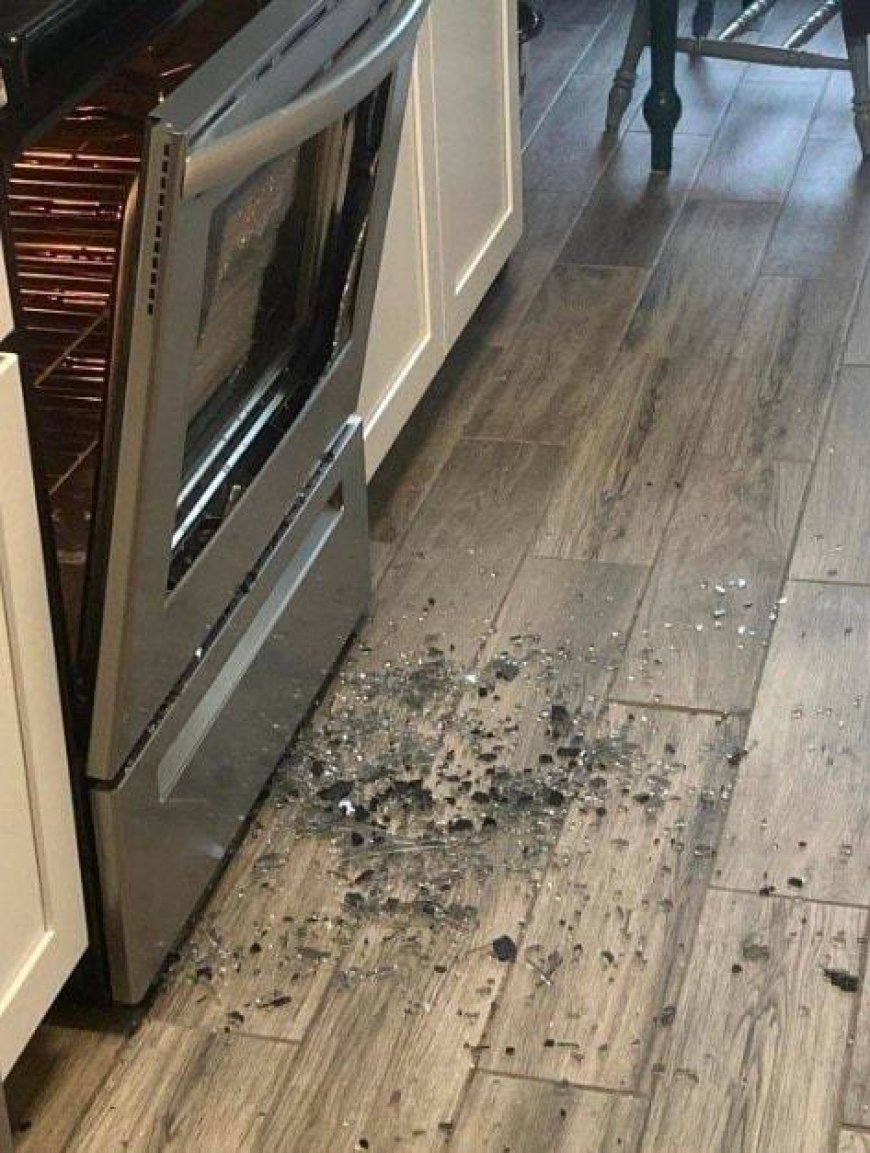
An oven door suddenly shattering can be one of the most alarming experiences in a kitchen. One moment everything seems normal, and the next, the glass explodes into hundreds of small fragments. While it may feel random or even dangerous, there are clear scientific reasons behind why this happens. Understanding these causes—and knowing how to prevent them—can help you avoid accidents and keep your kitchen safe.

1.
Why Do Oven Doors Shatter?
Oven doors are typically made from tempered glass, designed to withstand high temperatures and, when broken, shatter into small, less dangerous pieces rather than sharp shards. However, this strength comes with a trade-off: tempered glass is under internal stress, which makes it vulnerable to certain triggers.
Here are the main reasons oven doors can shatter:
1. Thermal Stress (Sudden Temperature Changes)
Glass expands when heated and contacts when cooled. If one part of the oven door heats or cools much faster than another, it creates uneven stress. This can happen when:
Cold water or a wet cloth touches hot glass
A frozen dish is placed directly into a hot oven
The oven door is opened quickly during high heat
These rapid changes can cause the glass to fail instantly.
2. Manufacturing Imperfections
Tiny defects inside the glass—such as nickel sulfide inclusions—can expand over time, especially under repeated heating cycles. Eventually, this internal pressure can cause spontaneous breakage, even without any external impact.
3. Physical Damage or Microcracks
Small chips or scratches may seem harmless, but they weaken the structural integrity of the glass. Over time, especially under heat, these imperfections can spread and lead to sudden shattering.
4. Pressure from Misaligned Racks or Dishes
If baking trays,
racks, or cookware press against the glass door, they can create constant stress points. As the oven heats up, this pressure can contribute to breakage.
5. Self-Cleaning Cycles (Extreme Heat)
Self-cleaning modes reach very high temperatures (often above 400–500°C / 750–900°F). This extreme heat can accelerate internal stress, especially if the glass already has hidden flaws.
How to Prevent Oven Door Shattering
While you can’t control manufacturing defects, you can significantly reduce the risk by following these precautions:
Avoid sudden temperature changes: Never splash cold water on a hot oven door or place very cold dishes inside a preheated oven.
Handle the door gently: Don’t slam it shut or rest heavy objects on it.
Tap the p.hoto to v.iew the full r.ecipe.