








Which Type of Banana Is Better for You: Firm and Yellow or Soft and Brown-Spotted?
Bananas are one of the most familiar and trusted fruits on the table. They are affordable, easy to enjoy, and naturally gentle on the body, which is why they remain a favorite across all ages. Yet when you reach for a banana, you’re often faced with a quiet choice—do you pick the firm, bright yellow one, or the softer banana covered in brown spots?

2.
Which Type of Banana Is Better for You: Firm and Yellow or Soft and Brown-Spotted?
Bananas have long been a favorite fruit in many American households—especially among those of us who appreciate something easy to peel, naturally sweet, and gentle on the stomach. Whether you enjoy them sliced over oatmeal, blended into a smoothie, or simply eaten on the go, bananas offer steady nourishment and convenience that never goes out of style.
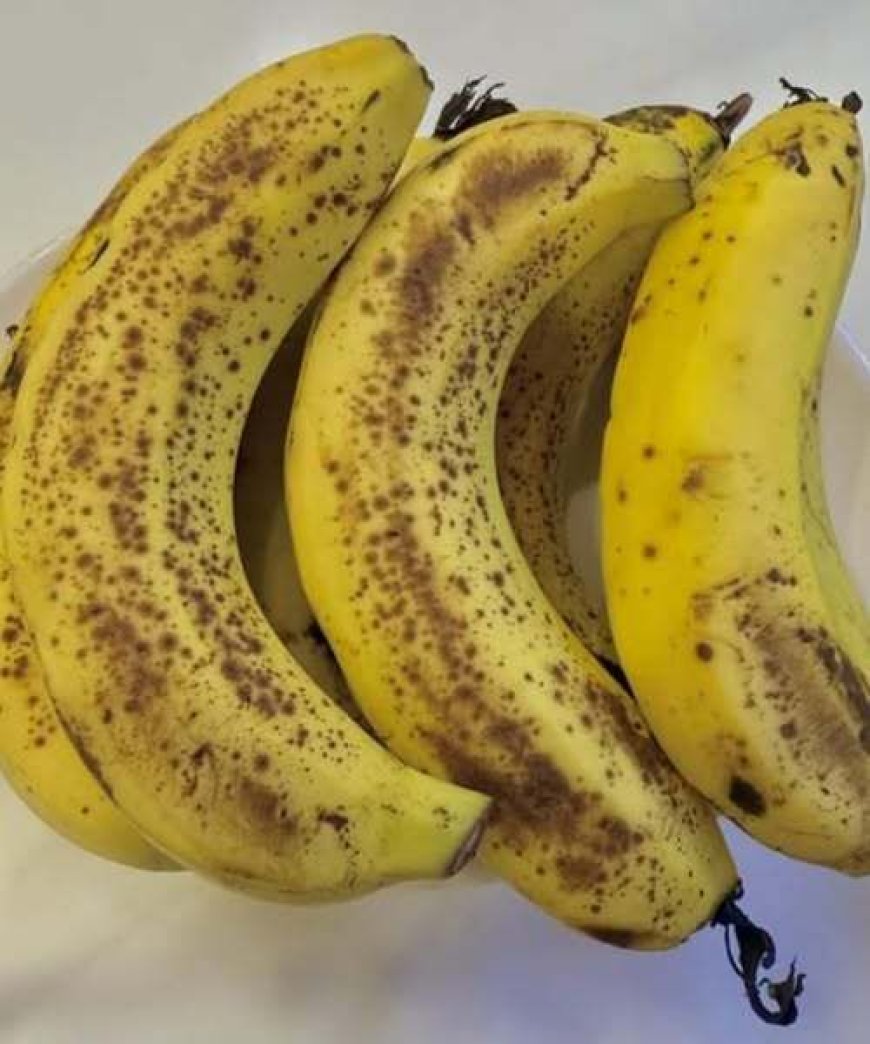
But not all bananas are at the same stage when we reach for them. Some are firm, bright yellow, and just beginning to ripen. Others are softer, decorated with brown speckles, and noticeably sweeter. While both kinds have their place in a healthy diet, they offer slightly different benefits. Understanding those differences can help you choose the banana that best supports your personal goals and digestion needs.
How Ripeness Affects Natural Sugar and EnergyA banana’s ripeness changes not just how it tastes, but also how your body processes it.
A slightly ripe banana—the kind that’s yellow with little or no spotting—contains more natural starch. This starch takes a bit longer for the body to break down, which means the energy is released slowly over time. Many older adults appreciate this steady release, as it helps avoid sudden spikes or dips in energy. If you’re someone who watches your sugar intake carefully or likes a fruit that keeps you feeling satisfied longer, this stage of ripeness can be a good fit.
On the other hand, the familiar brown-speckled banana has already converted much of its starch into natural sugars. That’s why it tastes sweeter and feels softer. Because the sugars are simpler and more available, the body digests them more quickly. This can give you faster energy, though it may lead to a quicker rise in blood sugar. For anyone who needs gentle digestion or prefers a sweeter snack, the brown-spotted banana has its advantages—just in moderation if you’re being mindful of sugar.
Antioxidants and Natural Wellness Support
As bananas ripen and develop those little brown freckles, their natural compounds shift as well. Brown-spotted bananas tend to contain more antioxidants, which support the body’s ability to handle everyday stress from the environment and normal aging.
This doesn’t mean slightly ripe bananas are lacking—they still offer vitamins, minerals, and protective nutrients—but the deeper
ripening process gives the freckled banana a small boost in antioxidant activity. It’s one reason many people enjoy adding very ripe bananas to smoothies or baked goods, where their natural sweetness and softer texture shine.
Gentle Support for Digestion
Bananas are well-known for being easy on the stomach, but the level of ripeness changes how they help your digestive system.
A firmer, slightly ripe banana contains something called resistant starch. This acts much like dietary fiber. It moves through the digestive system slowly, supports a balanced gut environment, and helps you feel comfortably full. Many people find this type helpful when they want a snack that keeps them satisfied between meals.
A fully ripe banana, by contrast, has far less resistant starch. Because the starch breaks down into simple sugars, the fruit becomes easier to digest. This makes the brown-spotted banana a good choice for those times when your stomach feels sensitive or you want something very gentle without much chew.
Choosing the Banana That Fits Your Needs
Different stages of ripeness serve different purposes, and that’s the beauty of such a simple fruit.
If you prefer:
• steadier energy
• something that keeps you full longer
• support for comfortable digestion
then a slightly ripe banana may be the best match.
If you enjoy:
• a naturally sweeter flavor
• a softer texture
• Tap the p.hoto to v.iew the full r.ecipe.