










What Is The Normal Blood Pressure For Each Age
Blood pressure is more than just a number taken during a doctor’s visit. It is one of the most important indicators of overall heart and blood vessel health. Understanding what blood pressure means, how it changes with age, and what ranges are generally considered healthy can help people make more informed lifestyle choices and take better care of their long-term wellbeing.

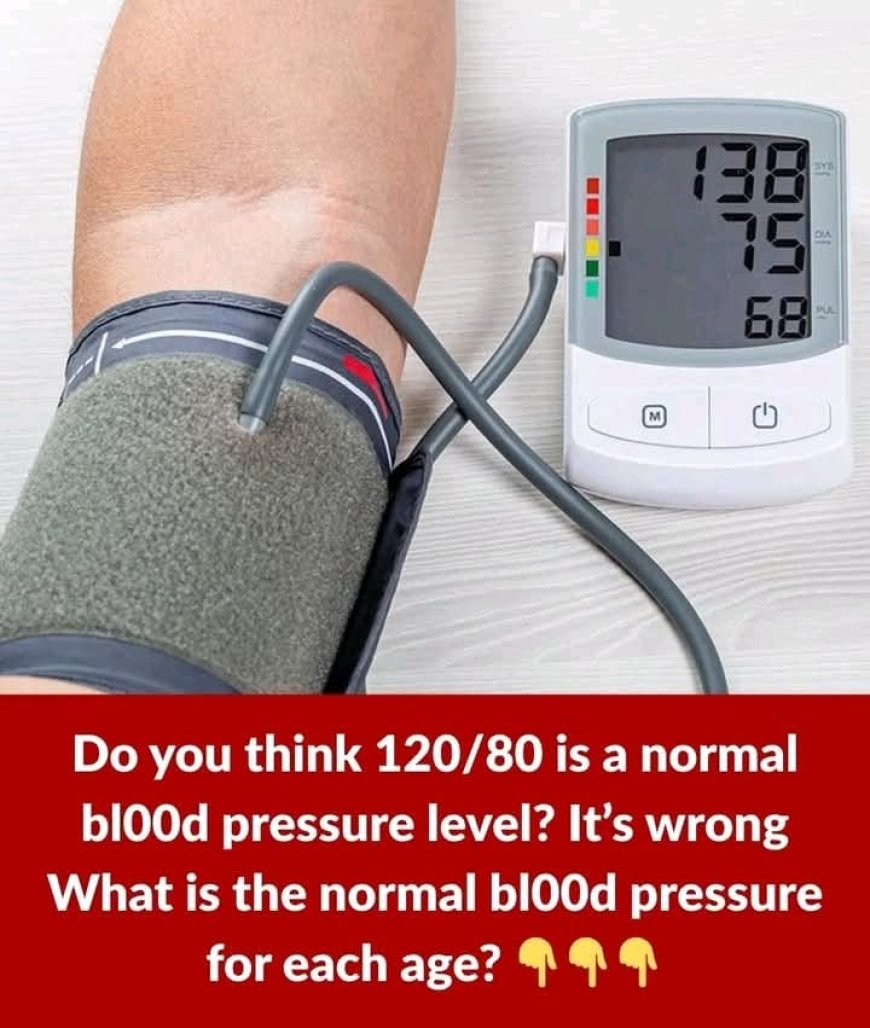
2.
As we grow older, our bodies naturally change. These changes can also affect blood pressure levels. While many people hear that “120/80 mm Hg” is the ideal reading, the reality is a bit more nuanced. What is considered normal can vary depending on age, overall health, and individual circumstances.
This article is for general informational purposes only and is not a substitute for professional medical advice. For personal guidance, it is always best to consult a qualified healthcare provider.
Why Blood Pressure Matters
Blood pressure measures the force of blood pushing against the walls of your arteries as your heart pumps. It is recorded using two numbers:
Systolic pressure (top number): The pressure when your heart beats
Diastolic pressure (bottom number): The pressure when your heart rests between beats
Together, these numbers give doctors and health professionals a snapshot of how hard your heart is working and how healthy your blood vessels may be.
Consistently high blood pressure can place extra strain on the heart and arteries over time. On the other hand, blood pressure that is too low can also cause symptoms such as dizziness or fatigue in some people. This is why keeping blood pressure within a healthy range is important for overall health.
General Blood Pressure Categories
For most adults, blood pressure readings are often grouped into the following general categories:
Low: Less than 90 / 60 mm Hg
Optimal: Less than 120 / 80 mm Hg
Normal: 120–129 / 80–84 mm Hg
Normal to High: 130–139 / 85–89 mm Hg
High: 140 / 90 mm Hg or higher
Around 120/80 mm Hg is commonly described as a typical healthy reference point for many adults. However, individual targets can vary depending on medical history and overall health.
Average Blood Pressure in Children and Teenagers
Blood pressure values are different in children and adolescents because their bodies are still growing and developing. Below are approximate average ranges that are often used as general references:
Newborns (up to 1 month): 60–90 / 20–60 mm Hg
Infants: 87–105 / 53–66 mm Hg
Toddlers: 95–105 / 53–66 mm Hg
Preschoolers: 95–110 / 56–70 mm Hg
School-aged children: 97–112 / 57–71 mm Hg
Adolescents: 112–128 / 66–80 mm Hg
It is important to remember that children’s blood pressure is usually evaluated based on age, height, and overall development. Pediatric check-ups are the best way to ensure everything is within a healthy range.
Average Blood Pressure in Adults by Age and Gender
In adulthood, average blood pressure values tend to change gradually over time. Studies and large population data often show the following approximate averages:
Ages 18–39
Women: around 110/68 mm Hg
Men: around 119/70 mm Hg
Ages 40–59
Women: around 122/74 mm Hg
Men: around 124/77 mm Hg
Ages 60 and above
Women: around 139/68 mm Hg
Men: around 133/69 mm Hg
These numbers represent averages, not ideal targets for every individual. Some people may naturally have slightly higher or lower readings and still be healthy, depending on their overall condition and medical background.
How Aging Can
Affect Blood Pressure
As people get older, the likelihood of experiencing higher blood pressure increases. There are several common reasons for this:
Reduced elasticity of arteries: Over time, blood vessels can become stiffer, which makes it harder for blood to flow smoothly.
Gradual buildup in blood vessels: Fatty deposits and other changes in the arteries can affect circulation.
Changes in how the body regulates fluids and salt: The kidneys and hormones play a role in blood pressure, and their function can change with age.
Because of these factors, monitoring blood pressure becomes more important as we grow older. Regular check-ups can help detect changes early and allow for timely lifestyle adjustments or medical guidance if needed.
How to Support Healthy Blood Pressure at Any Age
No matter your age, certain everyday habits can support healthy blood pressure levels and overall heart health:
Maintain a Healthy Weight
Carrying excess weight can increase the strain on your heart. Even small, gradual weight changes can have a positive impact.
Eat a Balanced, Heart-Friendly Diet
Focus on:
Vegetables and fruits
Whole grains
Lean protein sources
Low-fat or moderate-fat dairy
Try to limit:
Excess salt
Highly processed foods
Foods high in saturated and trans fats
Added sugars
Many health professionals recommend eating patterns similar to the DASH (Dietary Approaches to Stop Hypertension) diet for overall cardiovascular support.
Stay Physically Active
Tap the p.hoto to v.iew the full r.ecipe.