







What Does ‘SSSS’ on Your Boarding Pass Mean? (And How to Stay Calm When You See It)
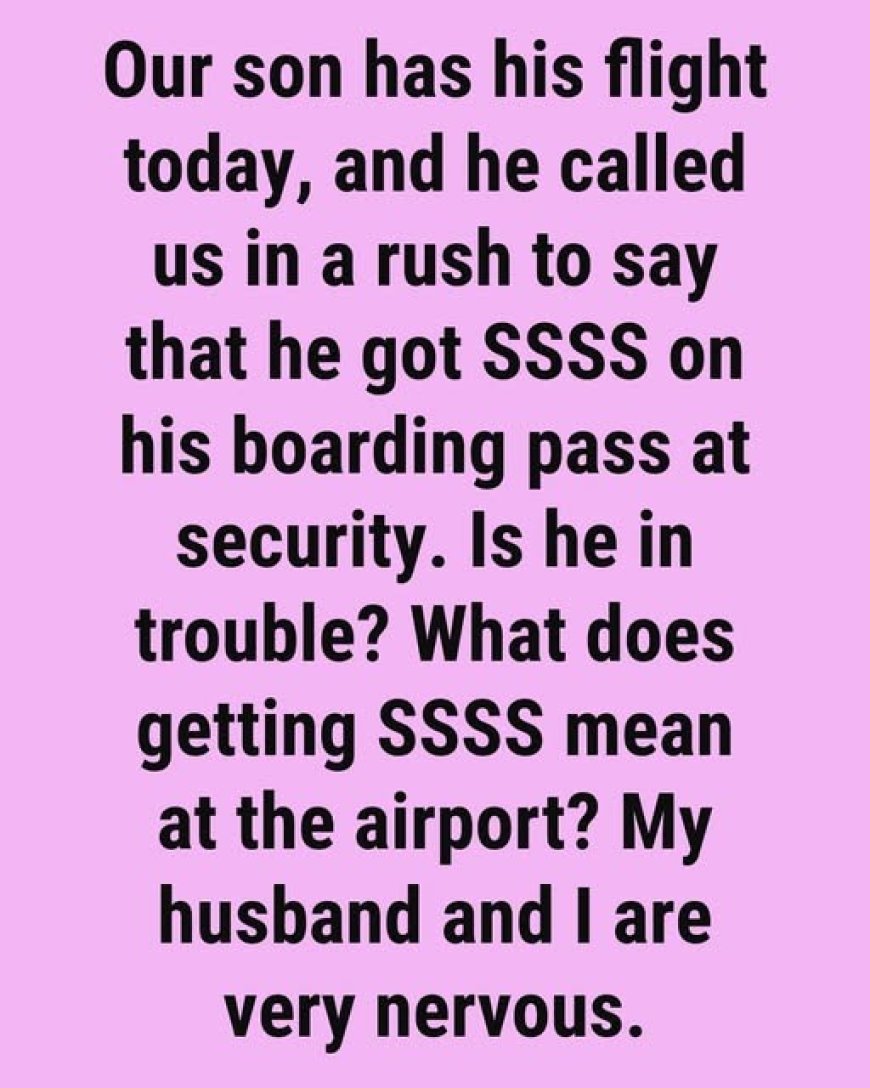
You’re standing in line at the airport, coffee in hand, passport ready, when you glance at your boarding pass and notice four unfamiliar letters: SSSS. Your heart skips a beat. Is this a mistake? Did something go wrong? Are you about to miss your flight? For many travelers, seeing “SSSS” feels unsettling—even a little intimidating. It sounds official, serious, and mysterious. But here’s the truth: in most cases, it has nothing to do with you personally, and it doesn’t mean you’re in trouble.

1.
What Does ‘SSSS’ on Your Boarding Pass Mean? (And How to Stay Calm When You See It)
You’re at the airport, boarding pass in hand, when you notice it: four bold letters stamped or printed near your name—SSSS.
Your stomach drops.
“Did I do something wrong? Am I on a list? Will I miss my flight?”Take a breath. You’re not in trouble. And you’re definitely not alone.
SSSS stands for Secondary Security Screening Selection—a random or algorithm-based designation used by the TSA (Transportation Security Administration) in the U.S. (and similar agencies worldwide) to select certain passengers for additional security screening before boarding.
It’s not personal. It’s not punishment. And it doesn’t mean you’ve done anything wrong.
Let’s break down what it really means—and how to handle it calmly and confidently.
Why You Might Get “SSSS” on Your Boarding Pass
The exact criteria are not publicly disclosed (for security reasons), but common triggers include:
Random selection (yes, sometimes it’s pure chance!)
One-way international tickets
Last-minute bookings
Unusual travel patterns (e.g., flying from a “high-risk” country)
Name similarities to individuals on watchlists
Lack of frequent flyer or trusted traveler status
Purchasing with cash or using a new credit card
Flying on a private ticket while others in your group have elite status
Note: U.S. citizens, frequent travelers, and even TSA PreCheck or Global Entry members can still get SSSS—though it’s less common.
What Happens When You Have SSSSS?
Don’t panic. Here’s what to expect:
At the security checkpoint, you’ll be directed to a separate screening area (often near the main line).
A TSA officer will swab your hands, luggage, and belongings for explosive residue.
You may be asked to remove shoes, jacket, and
belt again—even if you have PreCheck.
Your carry-on bags may be hand-inspected in detail.
You might undergo a pat-down (you can request a private screening if preferred).
The whole process usually takes 5–15 minutes—though it can be longer during peak travel times.
Tip: Arrive at the airport at least 30 minutes earlier than usual if you’re prone to SSSS.
What SSSSS Does NOT Mean
You’re on a “no-fly” list
You’ve been flagged for suspicion
You’ll miss your flight (if you allow extra time)
You did anything wrong
SSSS is a preemptive security measure, not a consequence.
How to Reduce the Chances of SSSS (But Not Guarantee It)
While you can’t eliminate the risk, these steps may help:
Enroll in TSA PreCheck or Global Entry (reduces—but doesn’t eliminate—SSSS)
Book round-trip flights instead of one-way
Use the same name and ID consistently (no nicknames or typos)
Avoid last-minute bookings when possible
Fly with a credit card linked to your frequent flyer profile
International travelers: Some countries (like Canada) use different codes (e.g., “SSSS” may appear as “SELECTEE”).
How to Stay Calm If You See SSSSS
Breathe—this is routine, not a red flag.
Tap the p.hoto to v.iew the full r.ecipe.