










What Are Hives? Symptoms, Causes, Diagnosis, Treatment, and Prevention
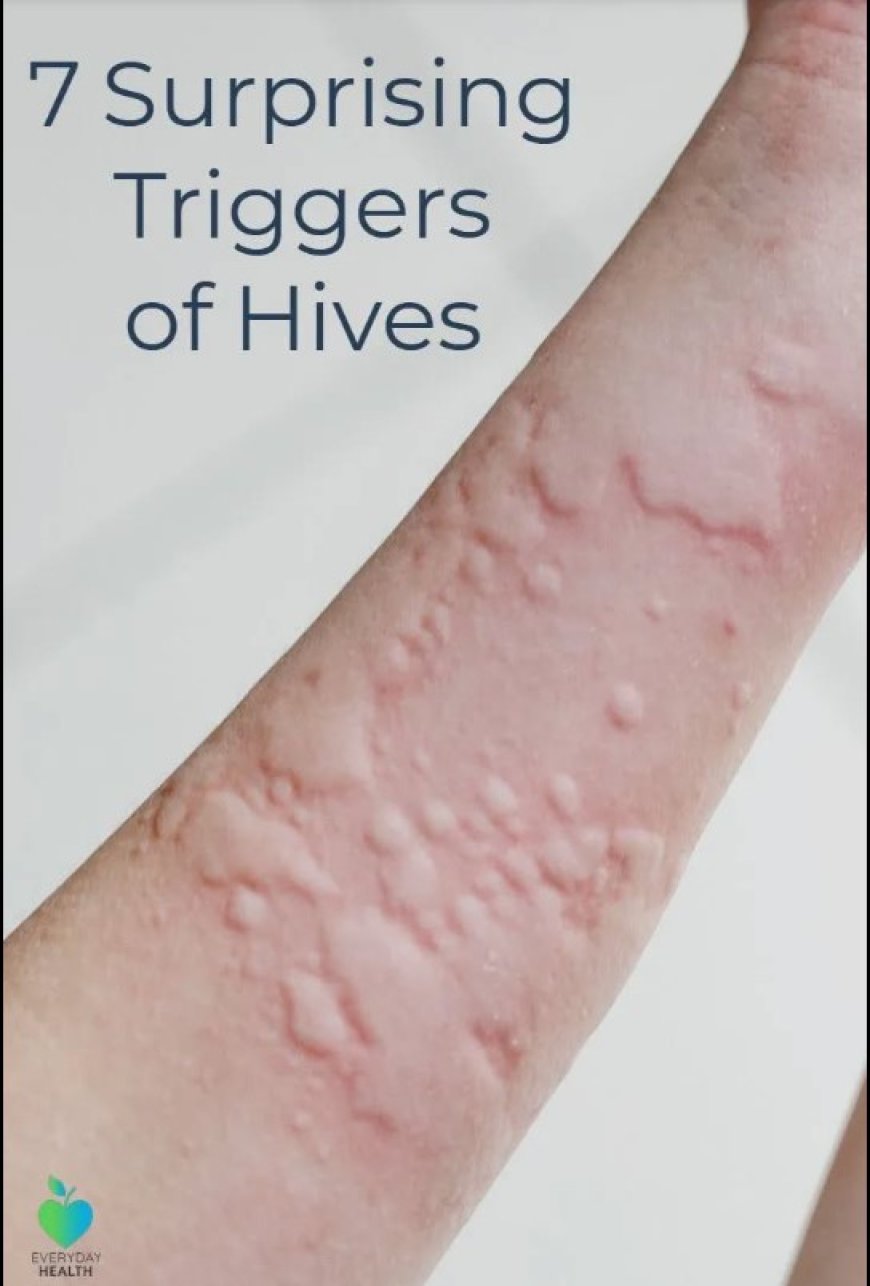
Hives are one of the most common skin reactions, yet they remain confusing and frustrating for many people who experience them. One day your skin can feel completely normal, and the next you may be dealing with itchy, red welts that seem to appear out of nowhere and move around your body. While hives are often harmless and temporary, they can also become chronic, disruptive, and emotionally exhausting—especially when they keep coming back without a clear cause.

2.
Nonallergic causes consist of bacterial and viral infections; exercise; stress; pressure on or scratching the skin; chemical contact; exposure to sun, heat, or cold; and autoimmune disorders like thyroid diseases and lupus, especially in the case of chronic hives.
Among that list, though, three are perhaps the most common, and Friedman sums it up in one simple phrase: “Food, drugs, and bugs,” he says.
Stress Can Contribute to Hives, Too
Stress can be a factor in hives, but it’s usually not an independent risk factor.
“Stress usually isn’t the direct cause, and primarily affects only individuals who are susceptible to hives,” Friedman says. Both chronic and acute hives can be made worse by stress, especially in people more likely to get hives, such as women and people with autoimmune disorders. (5)
On the flip side, however, hives can be so physically, emotionally, and mentally challenging to deal with that they can easily make you more stressed, even cause you to sleep less and affect your mood as a result. That can lead to issues getting along with your family, work colleagues, and friends. That’s why managing stress can be key to helping alleviate some of these issues — and can oftentimes help keep hives in check, too.
How Are Hives Diagnosed?
The majority of cases of hives will clear up on their own. (6) Individual hives will usually disappear within about 24 hours, and instances of hives should stop disappearing and reappearing within a few weeks.
If hives continue for more than six weeks, they could be chronic or a sign that something else is going on. It’s a good idea to see a doctor if hives continue for this long. (1)
Also see your MD if a single hive lasts longer than 24 hours and is painful, or the welts are causing discomfort. (6)
When you see a physician about hives, expect a physical exam. The doctor may recommend additional blood tests and skin tests to determine if there is an underlying issue or cause of the hives. Some long-lasting hives cases may benefit from a skin biopsy to help determine the cause. If the cause of the hives is known (such as an allergen trigger), you might not require further testing. (7)
Duration of Hives
“A hive lesion doesn’t usually last much longer than 24 hours, whereas things like bug bites, which are easily confused with hives, can last several days,” Friedman says. That means you might wake up with a hive one morning — and that one specific hive may be completely gone by the next morning, Friedman says. “And they often appear without any warning.”
Hives also move around, and they don’t necessarily care what body part they inhabit. Even your scalp, soles of your feet, and palms of your hands can get hives. “If you see one moving a lot, that signals a hive,” Friedman says.
Acute hives
last less than six weeks, while chronic hives last more than six weeks. That doesn’t mean you’re covered in hives every day during these time periods, but it does mean that during these time frames, the hives come and go either erratically or sometimes on a more consistent basis, says Anthony M. Rossi, MD, an assistant attending dermatologist at Memorial Sloan Kettering Cancer Center in New York City.
Fortunately, although they might itch a lot, hives don’t leave any marks on the skin once they disappear, regardless of whether you’ve treated them or not.
Hives are neither contagious nor, in most cases, dangerous. There are, however, a few exceptions that should prompt emergency care.
The first is a condition called angioedema, which involves swelling of the tissue beneath the skin. That can lead to swelling in the tongue, lips, throat, hands, feet, and even the inside of the abdomen. As a result, people could have stomach cramps or worse, difficulty breathing. People with hives can have angioedema, but note that “just because you have hives doesn’t mean you’ll get angioedema,” Dr. Rossi says.
When hives are accompanied by swelling and breathing becomes difficult, seek emergency care right away.
Hives may also be the result of a serious allergic reaction called anaphylaxis, Rossi says. If you experience difficulty breathing; swelling of your lips, tongue, or eyelids; dizziness; abdominal pain; or nausea or vomiting in conjunction with hives, seek help immediately.
Hives Are Very Common in Kids, Too. Here’s How to Manage Them
Parents should know that given the high incidence of hives in kids, it’s likely they’ll see hives on their child at least once. But don’t panic. “Acute urticaria [the type that lasts less than six weeks and may even just be a one-time deal] is more common in the young [than chronic urticaria],” says Meghan Feely, MD, a board-certified dermatologist in private practice in New York City and New Jersey and a clinical instructor in the Mount Sinai Department of Dermatology in New York City.
Numerous triggers and allergens can cause hives in kids, but food in particular is a common one for kids, especially if they’re allergic to milk, eggs, peanuts,wheat, or soy. You may not even know they’re allergic to something until their first hive appears, especially if it’s accompanied by an allergic reaction called anaphylaxis, which requires emergency care.
Fortunately, most hives in kids can be treated at home with over-the-counter medication, and most hives in kids go away without much need to do anything. But if the hives continue, you’ll want to schedule an appointment with your pediatrician, who may request food allergy testing. Just make sure you’re taking good notes about the hive incidents, which will help the doctor treat and manage the issue.
Prevention of HivesTap the p.hoto to v.iew the full r.ecipe.