





Weak or Brittle Nails: What Your Body Is Trying to Tell You
Strong, healthy nails rarely happen by accident—they are often the result of balanced nutrition, proper hydration, and mindful daily habits. By paying attention to the early signs your nails provide, you can take simple steps to support your body from the inside out. Small changes in diet, self-care, and protection from environmental stress can gradually restore nail strength and resilience. Remember, your nails are a subtle reflection of your overall health, and caring for them is another way of caring for your entire well-being.

2.
Weak or Brittle Nails: What Your Body Is Trying to Tell You
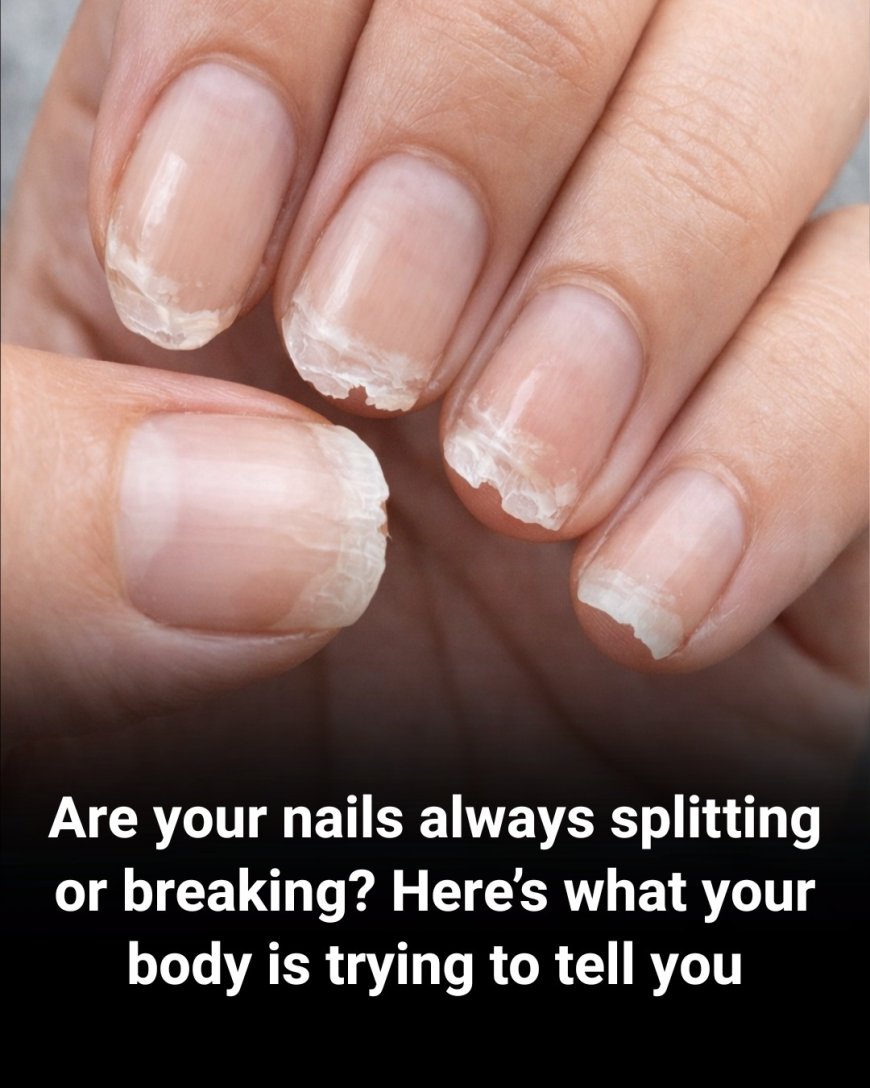
Healthy, strong nails are often taken for granted—until they begin to split, peel, or break with the slightest touch. While nail problems are commonly seen as cosmetic, they can actually reveal important clues about your overall health.
Brittle or weak nails may signal nutritional deficiencies, dehydration, lifestyle habits, or exposure to damaging environmental factors. Paying attention to these signs early can help you address underlying issues before they worsen—improving not only the appearance of your nails but also your general well-being.
In this article, we explore the most common reasons nails become weak or brittle, what your body may be lacking, and practical steps you can take to restore nail strength naturally.
1. Nutritional Deficiencies That Affect Nail Health
Your nails are made primarily of keratin, a structural protein that depends on a steady supply of vitamins and minerals. When your diet falls short, your nails are often among the first to show it.
Biotin (Vitamin B7) Deficiency
Biotin plays a key role in maintaining healthy nails, hair, and skin. A lack of biotin can cause nails to become thin, brittle, and prone to splitting.
Foods rich in biotin include:
Eggs
Almonds
Cauliflower
Cheese
Mushrooms
Sweet potatoes
Spinach
Consistently including these foods in your diet may help strengthen nails over time.
Iron Deficiency
Iron is essential for producing hemoglobin, which delivers oxygen to cells throughout the body—including those responsible for nail growth. Low iron levels can lead to brittle, fragile, or unusually shaped nails.
Iron-rich foods to consider:
Spinach and other leafy greens
Red meat
Lentils and beans
Fortified cereals
If iron deficiency is suspected,
it’s important to consult a healthcare professional before taking supplements.
Insufficient Protein Intake
Because nails are composed of keratin, inadequate protein intake can weaken their structure, slow growth, and increase breakage.
Good sources of protein include:
Lean meats and poultry
Fish
Eggs
Dairy products
Legumes
Adequate protein supports not only nail strength but also muscle health, immunity, and tissue repair.
For illustrative purposes only
2. Dehydration and Brittle Nails
Dehydration doesn’t just affect your skin—it can also make your nails dry, brittle, and more likely to split or peel.
Drinking enough water throughout the day helps maintain nail flexibility and supports healthy growth from the nail bed. If your nails feel dry or crack easily, increasing your daily water intake may be one of the simplest and most effective solutions.
3. Environmental Factors That Weaken Nails
Even with proper nutrition, external factors can damage nails over time.
Chemical Exposure
Frequent contact with harsh chemicals—such as cleaning products, detergents, and nail polish removers—can strip nails of their natural oils, leaving them dry and fragile.
To protect your nails:
Wear gloves when cleaning or washing dishes
Choose acetone-free nail polish removers
Limit frequent gel or acrylic manicures
Reducing chemical exposure helps nails retain moisture and strength.
For illustrative purposes only
4. Everyday Habits That May Damage Nails
Certain daily habits can silently weaken your nails:
Excessive hand washing without moisturizing
Nail biting or picking
Using nails as tools to open or scrape objects
Applying hand cream or cuticle oil regularly can help restore moisture and improve nail resilience.
5. When to Seek Professional Advice
Tap the p.hoto to v.iew the full r.ecipe.