






Understanding Traffic Stops: What Every Driver Should Know to Stay Calm and Safe
Seeing flashing lights in your rearview mirror can instantly trigger anxiety, even if you know you’ve done nothing wrong. Your mind races with questions: Why am I being stopped? What should I say? Did I miss something? For many drivers, a traffic stop feels unpredictable and intimidating simply because they don’t know what to expect.

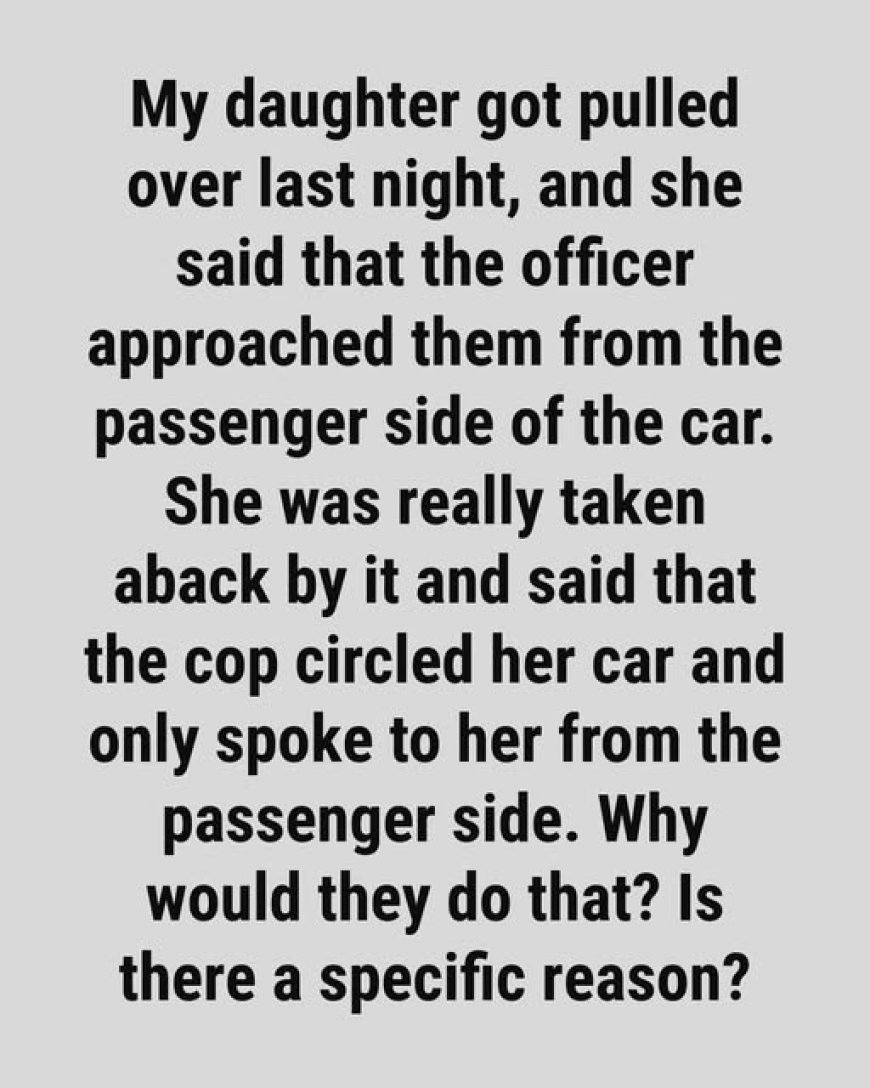
2.
Understanding Traffic Stops: What Every Driver Should Know to Stay Calm and Safe
Few moments behind the wheel are as nerve-wracking as seeing those flashing red and blue lights in your rearview mirror. Even experienced drivers can feel their pulse quicken, unsure what to do next. But a traffic stop, while intimidating, is usually a routine and structured process designed to keep both the driver and the officer safe.
Knowing what happens — and why — can turn a tense experience into a manageable one.
Why Police Pull Drivers Over
Before stopping a vehicle, officers typically run a quick license plate check. This step helps identify issues like:
Expired registration or inspection tags
Suspicion of a stolen vehicle
Outstanding warrants associated with the car’s owner
Once that information comes through, officers radio dispatch to share the car’s make, model, color, and location — a safety measure that ensures accountability and backup if needed.
Officers then choose a well-lit, low-traffic area to initiate the stop. So if you notice the patrol car following you for a bit before turning on its siren, it’s not about intimidation; it’s about finding a safe spot for everyone.
The Officer’s Approach: What’s Happening and Why
Once you’ve safely pulled over, you might notice the patrol car parked slightly off-center behind yours. This isn’t random — it’s a protective tactic. Parking at an angle creates a small buffer zone between the officer and oncoming traffic. Some officers even turn their front wheels outward so the patrol car can block part of the roadway if another vehicle swerves too close.
As the officer approaches, they’ll usually touch the back of your car — a long-standing habit that leaves a fingerprint as proof of contact for safety and documentation. During this time, the officer is also visually checking your vehicle’s interior to assess what’s inside and how many people are present.
These actions aren’t signs of mistrust; they’re standard safety protocols practiced during every stop.
How Drivers Can Help Keep the Situation Calm
For most drivers, a traffic stop lasts only a few minutes. The smoother the interaction, the quicker it ends. You can help by following a few simple steps:
Pull over safely. Use your turn signal, move to the right-hand shoulder, and stop as soon as it’s safe.
Stay in the vehicle. Unless instructed otherwise, remain seated with your seatbelt fastened.
Turn off the engine and keep your hands visible. Rest them on the steering wheel so the officer can see them clearly.
Wait for instructions. Avoid reaching for your license or registration until the officer asks — sudden movements can cause confusion.
Be respectful and calm. Even if you feel nervous or frustrated, keeping a steady tone helps everyone stay focused on resolving the stop quickly.
You’ll typically be asked for your driver’s license, registration, and proof
of insurance. If passengers are in the car, the officer may address them separately or ask clarifying questions. This isn’t meant to accuse anyone — it’s simply part of situational awareness.
What to Expect Next
Most traffic stops follow a predictable pattern:
The officer explains the reason for the stop.
You may receive a verbal warning, citation, or reminder to correct a minor issue.
In many cases, the encounter ends with a “thank you” and a return to normal driving within minutes.
If you disagree with the officer’s conclusion, the best time to dispute it is afterward, not on Tap the p.hoto to v.iew the full r.ecipe.