






The Truth About What Paprika Comes From — and Why It’s Amazing for Your Health
Paprika is one of those spices we use almost automatically, sprinkling it over dishes for color or a gentle warmth without giving it much thought. It sits quietly in the spice rack, familiar and unassuming, yet it carries a history, depth, and character that many home cooks never stop to consider. Behind that bright red hue lies a story shaped by geography, tradition, and centuries of culinary experimentation.

1.
What makes paprika especially fascinating is how easily it can be misunderstood. Many people assume it’s a blend of spices or something artificially created just for color, when in reality it comes straight from nature. Moments of realization—like discovering it’s simply ground red peppers—often spark curiosity and open the door to learning more about the foods we use every day. These small “aha” moments are what turn cooking from a routine task into an experience filled with discovery and enjoyment.
Across different cultures, paprika has taken on unique identities. From the sweet, vibrant varieties that define Hungarian cuisine to the deeply smoky versions essential to Spanish cooking, this spice reflects the traditions and flavors of the regions that embraced it. Each type tells a story not only about taste, but also about climate, preservation methods, and local preferences passed down through generations.
Paprika: The Surprisingly Bold Story Behind That Bright Red Spice in Your Kitchen
Most of us reach for paprika without thinking—dusting it over deviled eggs, stirring it into stews, or adding it for a pop of color. But the origins of that vibrant red powder are far more interesting than many realize.
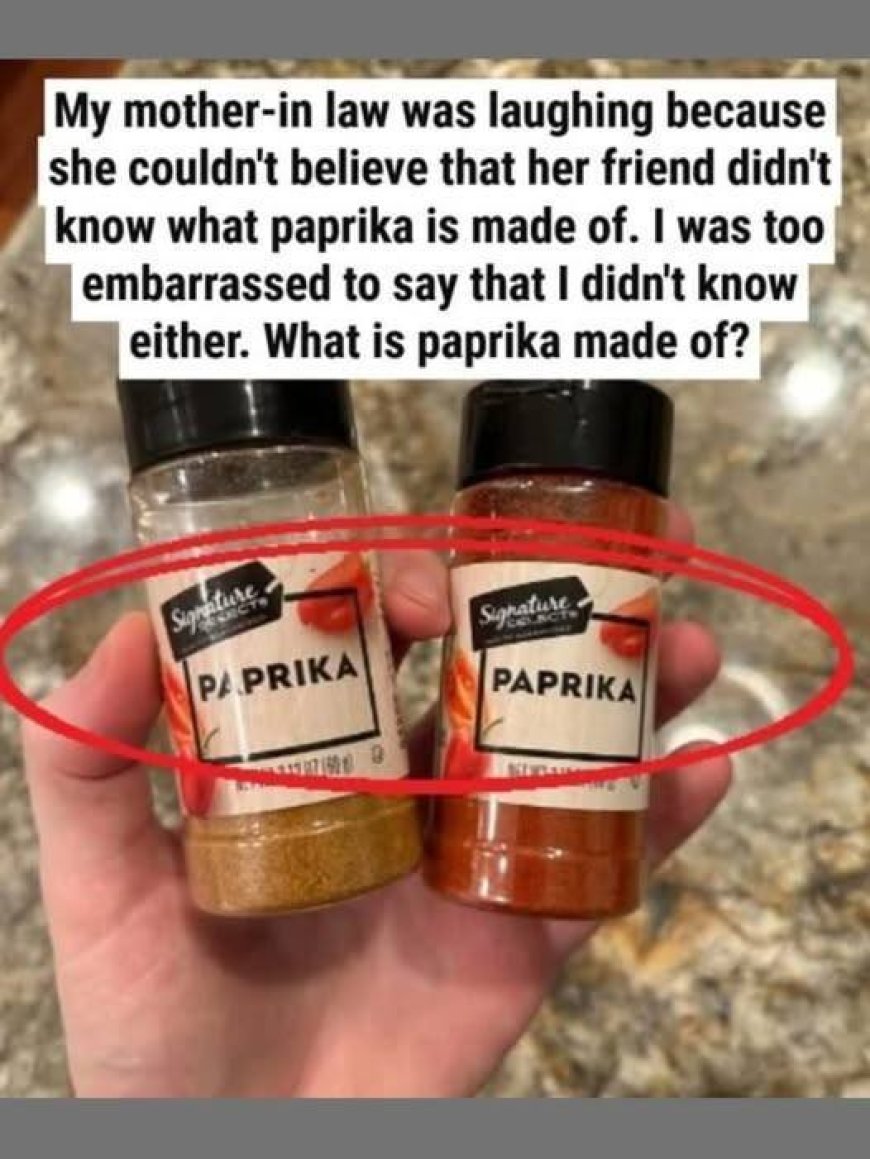
In fact, my mother-in-law’s longtime friend was stunned to learn the truth. After decades of seasoning roasted potatoes with paprika, she could hardly believe it was simply dried red peppers ground into powder. Their shared laughter opened the door to a deeper dive into where the spice comes from, the varieties available, and the impressive health perks it brings.
So… What Is Paprika, Really?
Paprika is made from fully ripened red peppers—sometimes mild, sometimes hot—that are dried and finely milled. The resulting flavor depends on the pepper used and how it’s processed. A few well-known types include:
Type Taste Profile Origin
Sweet Hungarian Mild, bright, slightly sweet Hungary
Hot Hungarian Spicy, bold, intense color Hungary
Smoked Spanish (Pimentón) Deep, smoky, savory Spain (oak-smoked)
That tiny jar tucked in your spice rack carries hundreds of years of culinary tradition—from Hungarian goulash and Spanish cooking to modern barbecue seasonings.
A Lighthearted Kitchen Moment
When my mother-in-law mentioned that paprika is just ground peppers, her friend blinked and said:
“Wait… you mean it’s actually peppers?”
Cue laughter—and a chain reaction of fun food facts. Cinnamon is tree bark. Vanilla comes from orchid pods. Even seasoned cooks can overlook the basics, and learning them only adds more joy to the kitchen.
Paprika Does More Than Add Color
Besides its warmth and aroma, paprika offers meaningful health benefits—especially Tap the
p.hoto to v.iew the full r.ecipe.