









The Silent Household Danger That Could Cost You Everything
We plug our phone chargers in every single night, often right next to our beds, without thinking twice. While charging our smartphones and tablets has become a normal daily habit, many people don’t realize that using the wrong charger or a damaged cable can create real safety risks at home.

3.
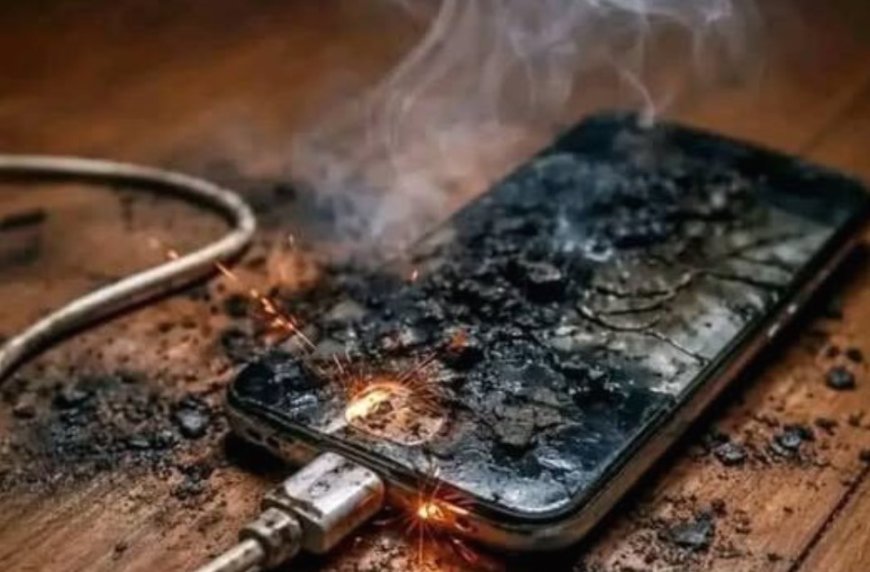
We plug our phone chargers in every single night, often right next to our beds or on our nightstands, without giving it a second thought. Our smartphones, tablets, and other devices have become an essential part of daily life, but the simple act of charging them can sometimes carry hidden risks if we are not careful with the equipment we use. One of the most common issues is using cheap, uncertified, or counterfeit chargers and cables. These low-quality products often lack the proper safety features, such as reliable insulation and surge protection, that original chargers from reputable brands provide. As a result, they can overheat more easily during normal use or when there are small fluctuations in your home’s power supply. Another frequent problem is continuing to use damaged or frayed charging cables. Many people have experienced that cable that only works when bent or positioned in a certain way. This usually indicates that the internal wires are exposed or the outer insulation is cracked, which can lead to short circuits or excessive heat buildup. The risk becomes even higher when multiple devices are plugged into the same power strip, as this can overload the circuit and cause the equipment to generate more heat than it can safely handle.
Where and how you charge your devices plays an important role in safety as well. Charging your phone on soft surfaces like beds, sofas, or thick carpets can
trap heat because these materials do not allow proper airflow. It is much safer to place your device on a hard, flat surface such as a table, desk, or nightstand while charging. This simple habit helps the heat dissipate naturally and reduces the chance of overheating. There are several warning signs you should never ignore while charging: if the charger or the device itself feels unusually hot to the touch, if you notice any burning smell, discoloration on the cable, or if the charging indicator starts flickering on and off. In such cases, it is best to unplug the device and cable immediately and stop using them until they can be inspected or replaced. Protecting your home and family from these risks is actually quite straightforward. Always choose certified chargers and cables from trusted manufacturers, inspect your cables regularly for any signs of wear or damage, and replace them as soon as you notice problems. Avoid overloading power strips, do not charge devices unattended for long periods, and never leave them charging overnight on soft surfaces. By following these practical steps and prioritizing quality equipment over cheap alternatives, you can enjoy the convenience of your devices while keeping your home environment much safer.