










The real salary of Pope Leo XIV: How much does the first American Pope earn?
When people imagine the life of a Pope, they often picture unimaginable wealth, private fortunes, and endless luxury hidden behind the walls of the Vatican. But the reality surrounding Pope Leo XIV tells a far more surprising story. As the first American-born leader of the Catholic Church steps into one of the most influential spiritual roles in the world, millions are discovering that the position comes with something far different from financial privilege. What many expected to be a life centered around personal riches is instead built on tradition, responsibility, and a remarkable absence of personal ownership.

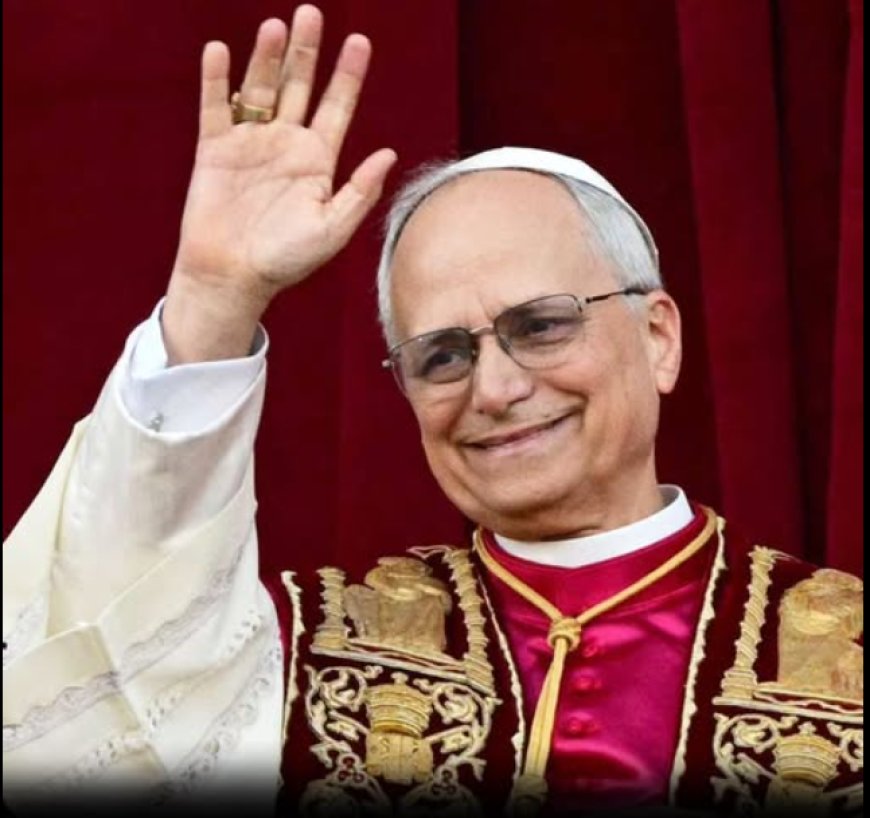
1.
When the world turned its attention toward the Vatican to witness the historic rise of Robert Francis Prevost as Pope Leo XIV, the first American-born pontiff in the history of the Catholic Church, global curiosity quickly followed. Beyond the significance of the moment itself, many people began asking questions about what life inside the Vatican truly looks like for the man chosen to lead more than a billion Catholics around the world. In an era where influence and authority are often connected to enormous salaries and private fortunes, many assumed that such a globally recognized position would naturally come with extraordinary financial rewards. Yet the reality behind the Papacy is far different from the modern image of power and success. Pope Leo XIV does not receive a traditional salary, nor does he personally accumulate wealth through his position. Instead of earning income through monthly payments or executive-style compensation packages, the Pope lives within a system designed around service, stewardship, and simplicity. The Vatican provides for his daily needs, including housing, meals, transportation, official travel, and security, allowing him to focus entirely on his spiritual responsibilities rather than personal finances. This centuries-old arrangement reflects the deeper philosophy behind the role itself. The office of the Pope is not structured around ownership or personal gain, but around dedication to faith, leadership, and the guidance of the global Catholic community. Although the Vatican oversees valuable historical treasures, cultural landmarks, and institutional resources, these assets are not considered the personal property of the Pope. They belong to the Church as a whole and are maintained as part of its global mission and heritage. Pope Leo XIV is expected to continue this tradition of humility and responsibility that has shaped generations of pontiffs before him. In a world increasingly focused on material success and personal status, the image of a leader who lives without personal wealth stands out in a uniquely powerful way. While the Vatican is often associated with remarkable architecture, priceless art, and centuries of history, the Tap the p.hoto to c.ontin.ue rea.ding the ar.ticle.