






The Meaning of the Intriguing Gesture of Scratching the Palm of Another Person’s Hand
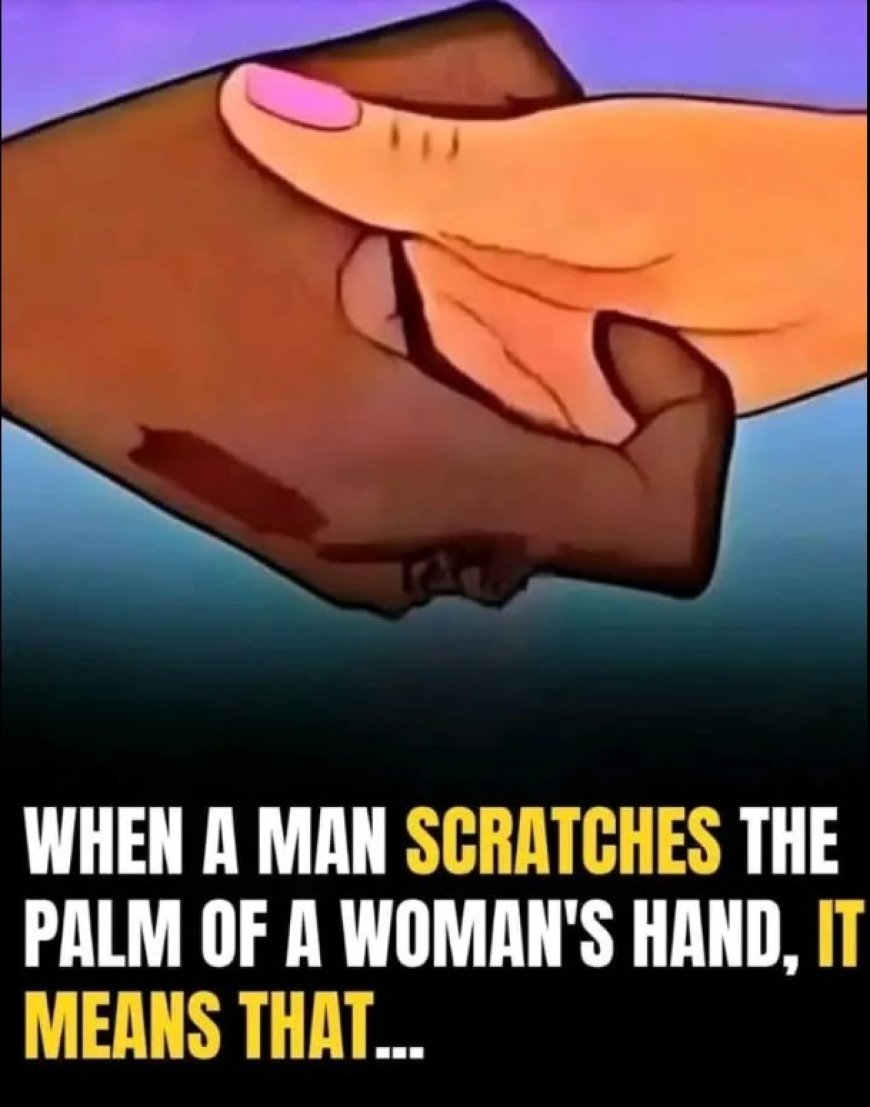
A handshake is supposed to be simple: a brief, polite gesture that marks the beginning or end of an interaction. But sometimes, in the final split second before hands part, something unexpected happens—a fingertip lightly traces across your palm. It is subtle, almost imperceptible, yet strangely memorable. Long after the greeting is over, that tiny touch can linger in your thoughts, raising quiet questions about intention and meaning.

2.
The Meaning of the Intriguing Gesture of Scratching the Palm of Another Person’s Hand
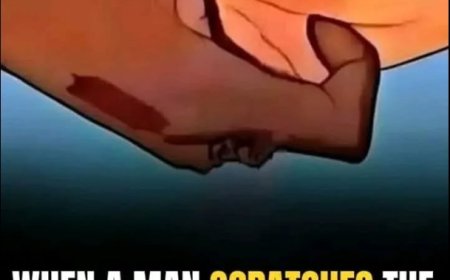
Have you ever shaken someone’s hand — and just as your palms were about to part — they lightly dragged a fingertip across your palm?
It’s subtle. Fleeting. Barely there.
And yet… it lingers in your mind.
This small, almost secretive gesture — a light scratch or stroke on the palm during a handshake — can carry surprising depth, depending on context, culture, and connection.
But what does it really mean?
Let’s explore the possible interpretations — from romantic
signals to secret codes — and why this tiny touch speaks volumes.
What Does It Mean to Scratch Someone’s Palm During a Handshake?
While not universally recognized, this delicate gesture has been interpreted in several ways across cultures and social dynamics:
1. A Subtle Romantic or Flirtatious Signal
In some social circles, especially in certain European and Latin American cultures, gently scratching the palm during a handshake is seen as a covert sign of attraction.
A man or woman might do it to silently say:
“I like you.”
“I’m interested.”
“Remember me.”
It’s intimate without being overt — a private moment disguised as a formal greeting.
Often done with the thumb or index finger in a soft, upward stroke.
Fun fact: In some flirtation guides, this is taught as a way to create a memorable, sensual first impression.
2. A Secret Code or Recognition Signal
Historically, secret societies, fraternities, and military units have used variations of the handshake to identify members.
The palm scratch could be part of a coded handshake, signaling shared membership or allegiance.
Examples:Freemasons use intricate grips and pressures
College fraternities often have unique handshakes with hidden gestures
Resistance groups during wartime used subtle touches to confirm identity
In these cases, the scratch isn’t romantic — it’s strategic recognition.
3. An Unconscious Habit or Nervous Tick
Sometimes, it means nothing at all.
The person may have a habit of touching palms more than usual during greetings.
Could stem from anxiety, excitement, or simply not realizing they’re doing it.
If repeated with many people, it’s likely not intentional or symbolic.
Context matters: Is it only with certain people? Does it happen with eye contact or a smile?
4. A Sensory or Neurological Response
Some individuals are highly sensitive to touch (a condition called synesthesia or heightened tactile awareness) and may respond instinctively to skin contact.
They might stroke the palm due to an unconscious sensory feedback loop
Rare, but possible — especially if paired with other tactile behaviors.
5. Cultural Nuance or Regional Custom
In parts of the world where physical touch during greetings is more common:
A light palm touch may simply be part of a warm, expressive handshake.
Not sexual or coded — just a cultural norm for showing friendliness or emphasis.
For example, in Mediterranean cultures, handshakes often include a shoulder tap or forearm touch — so a palm stroke fits naturally into that expressive style.
Likely innocent: Quick, casual, done with everyone
Possibly flirtatious: Slow, soft, paired with a meaningful look
Possibly coded: Done in a group setting with others who seem to recognize it
Should You Respond?
If you feel comfortable and intrigued:
Return a slight squeeze or linger in the handshake a second longer
Smile knowingly
Tap the p.hoto to v.iew the full r.ecipe.