









That Rainbow Shine on Deli Ham May Look Pretty, but Here’s How to Know if Your Meat Is Truly Safe
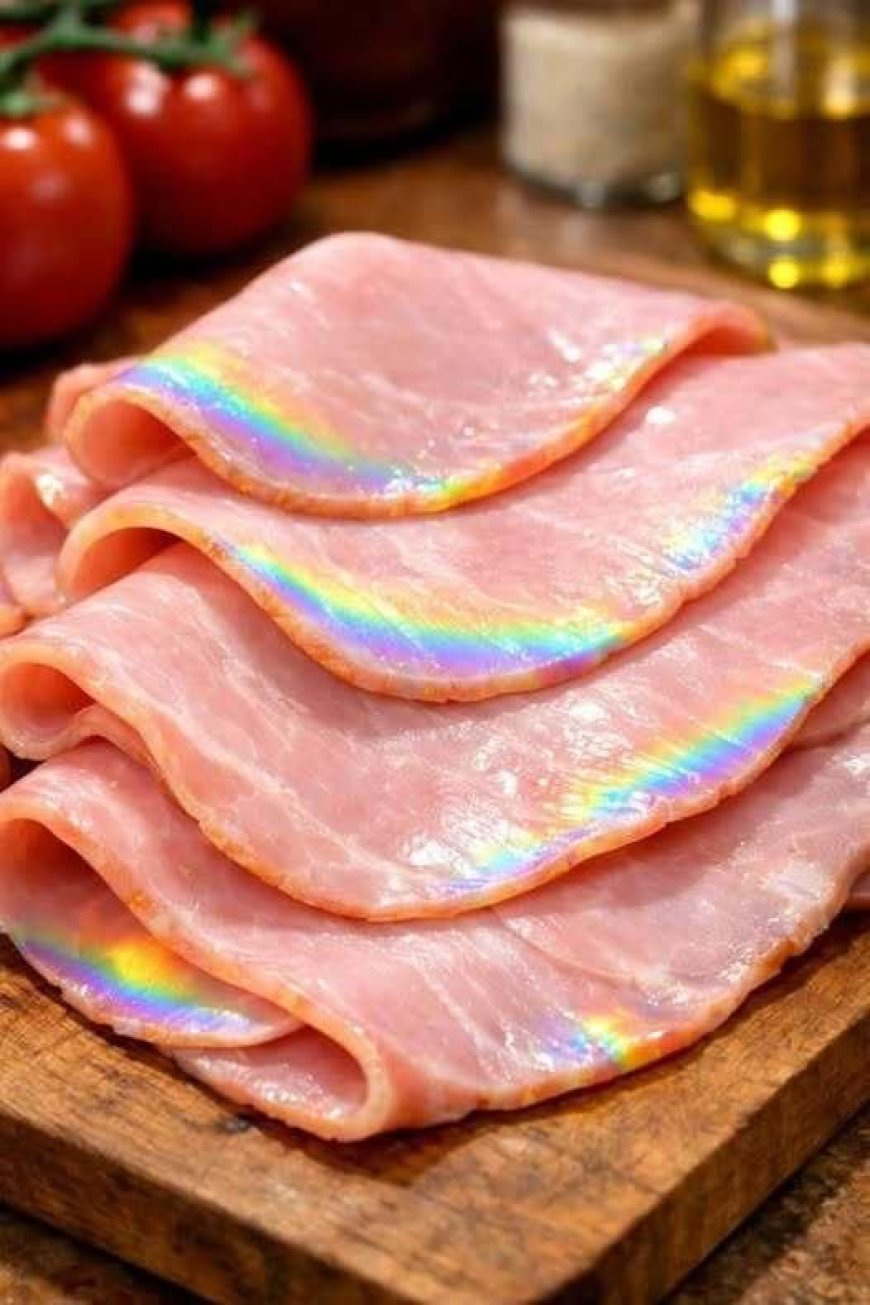
Have you ever opened a package of deli ham and noticed a rainbow-like shine across the surface? At first glance, it can be surprising—and even a little unsettling. The shifting colors catch the light and raise an immediate question: Is this meat still safe to eat, or is something wrong? For many people, especially older adults who take food safety seriously, these small visual changes can cause unnecessary worry. Understanding what this rainbow sheen really means—and when it should or should not concern you—can help you make confident, informed decisions in the kitchen without relying on fear or guesswork.

2.
While the rainbow shimmer itself is usually harmless, color can still tell us important things when used correctly. The mistake many people make is focusing on one visual detail while ignoring everything else.
Healthy deli ham typically has a consistent pink color. That pink may be light or slightly deeper depending on the cut and curing process, but it should look even and natural. What you do not want to see are dull gray areas, greenish patches, or uneven blotches that do not shift with the
light.
True spoilage does not usually look shiny or pretty. It looks wrong in a way that feels instinctively unsettling. That is why it is important not to confuse a clean, reflective sheen with discoloration caused by age or bacterial activity.
Texture Tells a Bigger Story Than Shine
If there is one sense that deserves more attention than sight, it is touch. The texture of deli meat changes in very specific ways when it is no longer safe.
Fresh ham should feel smooth and slightly moist, but not sticky. If you touch the surface and your fingers feel tacky or coated afterward, that is a warning sign. A slimy or slippery texture often indicates bacterial growth, even if the color still looks acceptable.
This is especially important because some harmful changes happen before dramatic visual signs appear. A slice can look fine at first glance but feel wrong the moment you handle it. That physical cue matters.
Smell Is Often the Most Honest Signal
Your nose is one of the most reliable tools you have in the kitchen. Spoiled deli meat rarely hides its scent for long.
Fresh ham should smell mild and meaty, sometimes with a light salty or smoky note depending on how it was prepared. What you should never ignore are sour, sulfur-like, or sharply unpleasant odors. Any smell that makes you pull your head back or second-guess yourself is reason enough to stop.
Older generations often learned this rule early. If it smells off, it is off. No amount of visual reassurance should override that instinct.
Time Matters More Than Most People Realize
One of the most overlooked factors in deli meat safety is time. Once a package of ham is opened, the clock starts ticking, even if it is stored in the refrigerator.
Cold temperatures slow bacterial growth, but they do not stop it. Some bacteria can continue to multiply in cold environments without causing obvious changes right away. That is why relying only on how the meat looks can be risky.Tap the p.hoto to v.iew the full r.ecipe.