





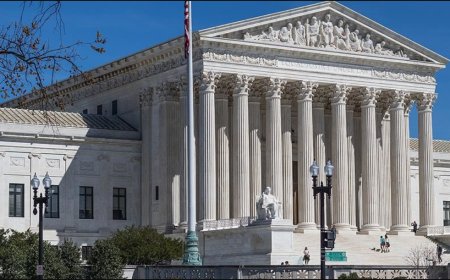




Supreme Court Delivers Earth-Shaking 7-2 Decision… I Can’t Believe It
A quiet legal decision is now creating major discussion among veterans, legal experts, and advocacy groups across the country. What once appeared to be a strong layer of protection for former service members seeking disability support may now function very differently in practice. While the ruling does not remove benefits or eliminate existing protections, it changes how closely federal courts can review difficult cases. For many families following the outcome, the decision has raised new questions about how future claims will be evaluated and what kind of evidence veterans may now need to prepare from the very beginning.

2.
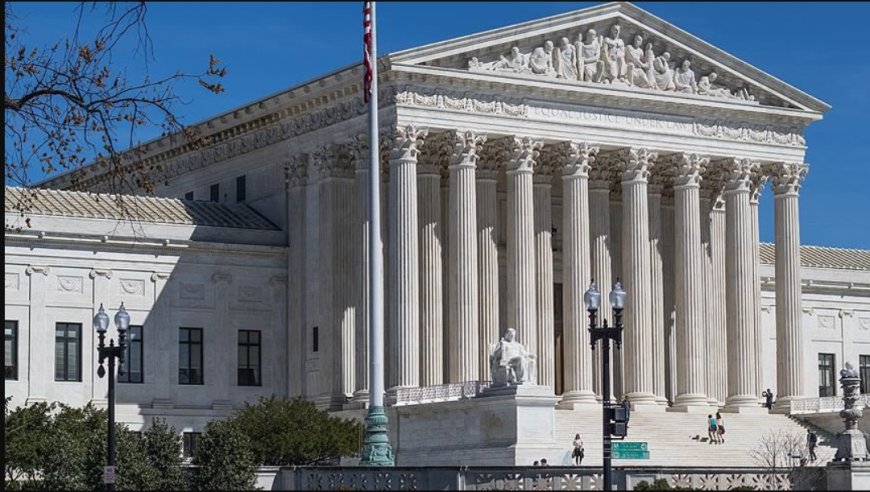
Veterans’ advocacy organizations reacted with concern after a recent Supreme Court decision reshaped how disability claim disputes may be reviewed within the federal system. In a closely watched case involving two former service members seeking support connected to post-service mental health challenges, the Court clarified that federal appeals courts are not expected to reconsider every judgment made by the Department of Veterans Affairs unless a decision can be shown to contain a very clear and substantial error. The ruling centered on the long-discussed “benefit of the doubt” principle, a standard many veterans believed offered meaningful support whenever evidence in a case appeared evenly balanced. For years, many applicants understood the process to mean that if medical records, testimony, and supporting documents pointed equally in both directions, the outcome would generally favor the veteran. However, the Supreme Court’s decision in Bufkin v. Collins explained that federal courts should give significant deference to how the VA evaluates uncertain or incomplete evidence during the original review process. By a 7–2 vote, the Court determined that appeals judges are not required to independently reinterpret how the agency applied the benefit-of-the-doubt rule unless the original decision is considered plainly incorrect under the law. Legal analysts say the decision may significantly shift where disability claims are ultimately won or lost. Rather than expecting a later federal review to revisit difficult factual questions, veterans and their representatives may now need to focus even more heavily on building detailed and highly organized claims at the earliest stages of the process. Experts suggest that medical evaluations, service documentation, family statements, personal accounts, and long-term treatment records could now carry even greater importance before a case ever reaches a higher court. Supporters of the ruling argue that the decision creates more consistency and predictability within the system by reinforcing the role of the VA as the primary evaluator of evidence. Others, however, believe the outcome may create additional pressure for veterans whose records contain gaps, incomplete documentation, or conditions that are difficult to fully demonstrate through traditional paperwork alone. Advocacy groups noted that many former service members already face challenges collecting older records or proving conditions connected to experiences that may not hedTap the p.hoto to c.ontin.ue rea.ding the ar.ticle.