










Strong Earthquake Reported Near Alaskan Peninsula, Aftershocks Continue
A powerful earthquake can transform an ordinary evening into a moment of uncertainty within seconds. Recent seismic activity near the Alaskan Peninsula has once again highlighted how quickly natural events can unfold and how important timely information becomes in such situations. While initial reports often emphasize intensity and impact, it is equally important to present events in a clear, balanced, and responsible way. This article provides an informative overview of the earthquake, the response from authorities, and what such events mean from a broader perspective.

1.
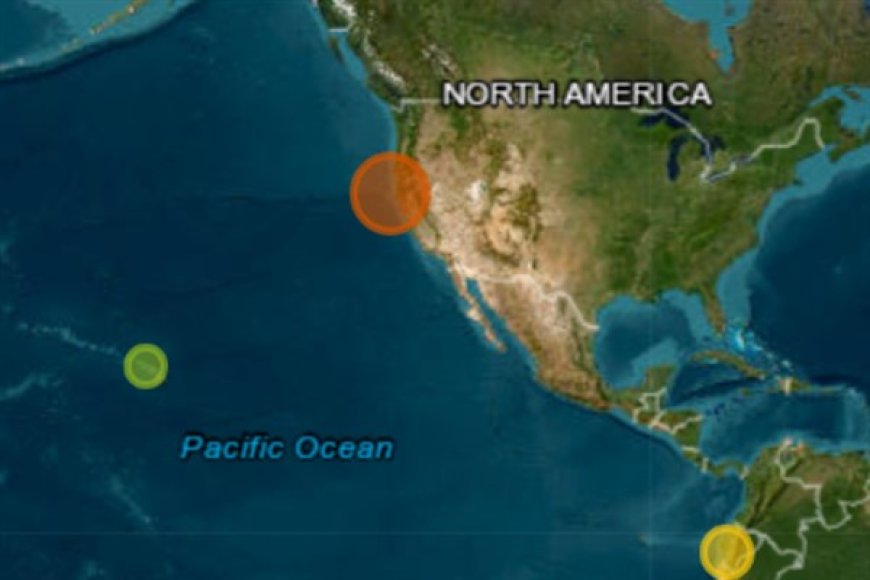
Late Wednesday evening, a strong earthquake struck off the coast near Perryville, Alaska, drawing immediate attention from monitoring agencies and emergency services. According to early data from geological institutions, the quake measured approximately 8.2 in magnitude and occurred beneath the ocean floor at a moderate depth.
Seismic events of this scale are relatively rare and are closely monitored due to their potential to affect large coastal areas. As soon as the earthquake was detected, systems designed to track seismic activity and ocean movement were activated. These systems help experts quickly assess whether additional risks, such as unusual wave activity, could develop.
In nearby coastal communities, precautionary measures were taken. Emergency alerts were issued, and residents in low-lying areas were advised to remain attentive to official guidance. These steps are part of standard safety procedures and are designed to ensure that communities are prepared while more detailed assessments are carried out.
Although the initial shaking was significant, early evaluations indicated that conditions remained stable, with no immediate large-scale impact reported. Authorities continued to monitor the situation closely as more data became available.
Following the main earthquake, a series of aftershocks occurred in the surrounding region. Aftershocks are a normal part of seismic activity and can continue for hours or even days after the initial event. In this case, several smaller tremors were recorded, some of which were noticeable but less
intense than the original quake.
Emergency management teams remained active throughout this period, maintaining communication with local communities and ensuring that safety measures were in place. Coordination between regional authorities and national agencies played an important role in keeping the situation under control.
Monitoring organizations across the Pacific region also reviewed the event, as large underwater earthquakes can sometimes have wider effects. These evaluations are part of international cooperation efforts aimed at understanding seismic activity and minimizing potential risks.
Despite the strength of the earthquake, reports indicated that there were no confirmed serious injuries or widespread structural damage at the time of assessment. This outcome reflects both the geographic location of the event and the effectiveness of Tap the p.hoto to c.ontin.ue rea.ding the ar.ticle.