










Should You Rinse Ground Beef?
If you’ve ever cooked ground beef, you’ve probably seen someone rinse it under hot water “to make it healthier” or “to get rid of the grease.” It’s a surprisingly common kitchen habit, often passed down through families or picked up from old recipes. At first glance, it seems logical: wash away the fat, and you get a lighter, cleaner dish. But cooking isn’t just about removing what looks undesirable—it’s about preserving flavor, texture, and food safety too.

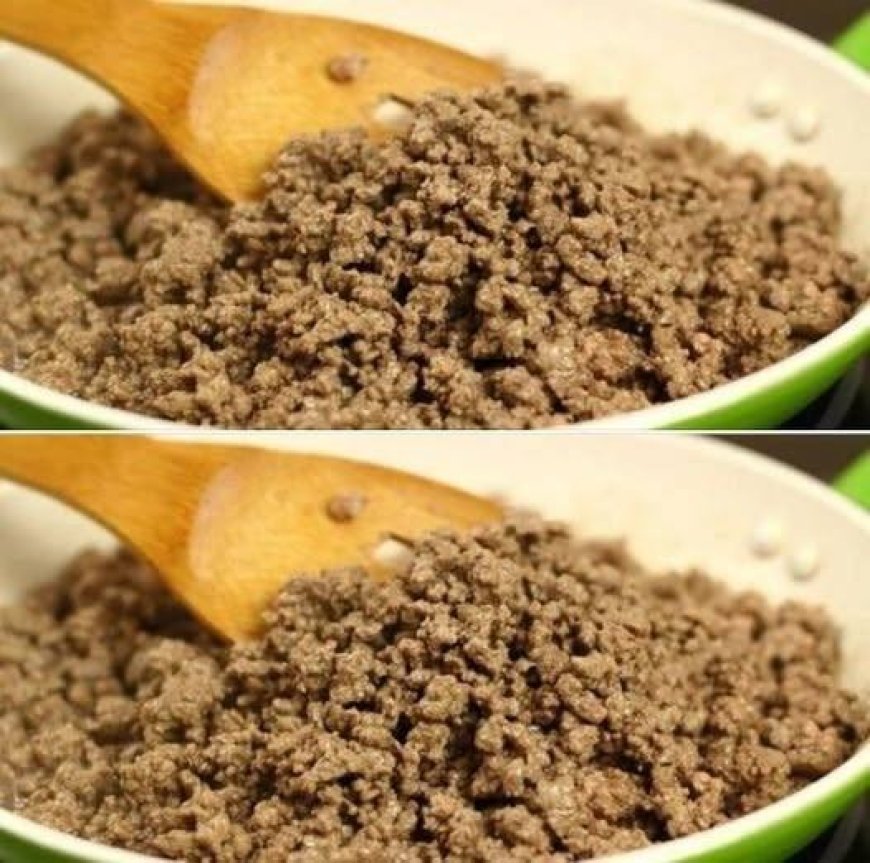
3.
Should You Rinse Ground Beef?
Many home cooks rinse ground beef after cooking it—often with good intentions—but the practice is based more on old habits, misconceptions, or well-meaning advice than on food science or safety. Here’s why people do it, what they hope to achieve, and a smarter way to get the same result.
The Top 3 Reasons People Rinse Ground Beef
1. To “Reduce Fat” or Make It “Healthier”
Why: Ground beef (especially 80/20) releases a lot of visible fat when cooked.
Goal: Lower calories, reduce saturated fat, or align with a “leaner” diet.
Reality:
Rinsing does remove some surface fat—but it also washes away flavor, juices, and water-soluble nutrients like B vitamins.
The meat becomes dry, bland, and mealy.
Better solution: Use 90% lean or 93% lean ground beef from the start—no rinsing needed.
2. To “Clean” the Meat or Remove “Greasiness”
Why: Cooked ground beef can look oily or feel heavy in dishes like tacos, pasta sauce, or casseroles.
Goal: Create a lighter, less greasy final dish.
Reality:
Rinsing adds water, which dilutes sauces and prevents proper thickening.
Better solution: Simply drain the fat after browning—use a spoon, tilt the pan, or briefly place beef in a colander to let fat drip off (no water!). Blot with paper towels if needed.
3. Tradition or Family Habit
Why: “My mom always did it,” or it appeared in an old community cookbook.
Goal: Follow a trusted recipe or family ritual.
Reality:
This practice was more common decades ago when lean beef was less available and nutrition advice was less nuanced.
Modern food science (and agencies like the USDA) discourage rinsing meat—cooked or raw—due to cross-contamination risks (bacteria can splash onto sinks and counters).
The Hidden Risks of Rinsing
Food safety hazard: Even cooked beef can harbor bacteria in the sink water, risking contamination of your kitchen.
Texture damage: Waterlogged beef won’t absorb seasonings or thicken sauces properly.
Flavor loss: The rich, savory depth of beef comes from its natural
fats and juices—rinsing strips them away.
Smart Alternatives That Work Better
What You Want
What to Do Instead
Less fat
Use 90% or 93% lean ground beef
Less grease in sauce
Skim fat off the top after simmering, or drain thoroughly
Lighter tacos
Drain fat, then add a splash of broth or lime juice for moisture
Extra lean for diet
Substitute with ground turkey, chicken, or plant-based crumbles
Pro Tip: If using fatty beef (like 80/20) for flavor (e.g., in burgers or meatloaf), don’t drain or rinse—the fat is essential for juiciness!
The Bottom Line
People rinse ground beef with good intentions—to eat healthier, reduce grease, or follow tradition—but it’s an outdated habit that compromises taste, texture, and safety.
The smarter path? Choose the right beef for your dish, drain fat properly, and season well. You’ll get all the benefits—without the downsides.
Great cooking respects both health and flavor—and never rinses away the good stuff.