









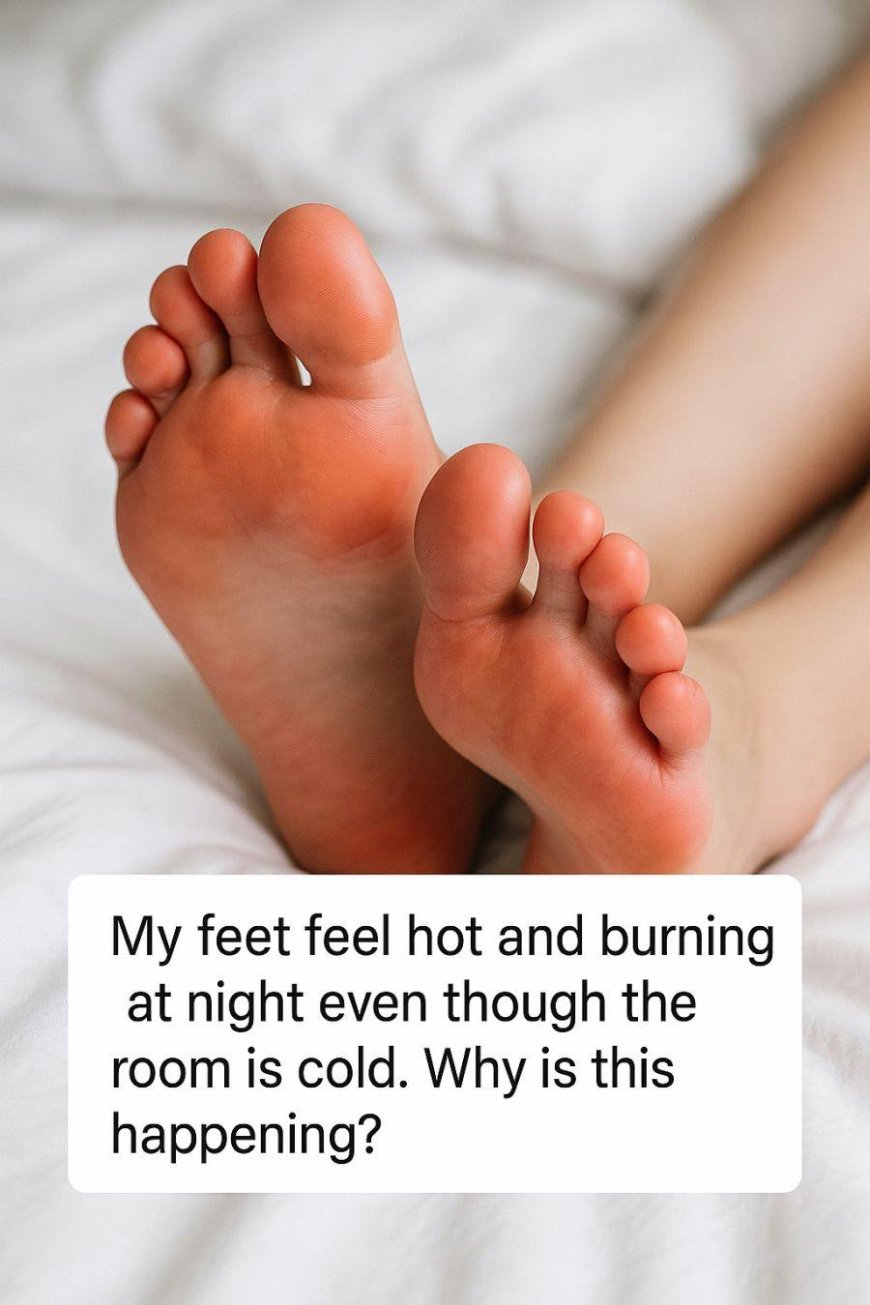
My feet feel hot and burning at night even though the room is cold. Why is this happening?
Feeling a burning or overheated sensation in your feet at night can be both confusing and frustrating—especially when the room itself is cold. For many people, this discomfort appears suddenly, interferes with sleep, and raises concerns about underlying health issues. What makes it even more unsettling is that the sensation often has little to do with external temperature and much more to do with what’s happening inside the body.

3.
It's important to approach such remedies with caution and consider evidence-based treatments. Consulting with a healthcare professional before trying new remedies is advisable to ensure safety and effectiveness.
11. At-Home Relief Strategies Backed By Science
Several at-home strategies have been shown to help relieve burning feet. These include cooling foot baths, which can provide immediate but temporary relief, and the use of capsaicin cream, which can reduce pain over time.
Regular exercise, maintaining a healthy weight, and wearing properly fitted shoes can all contribute to reducing symptoms. In addition, practicing good foot hygiene and care can prevent further complications and support overall foot health.
12. Red-Flag Symptoms: When
Burning Feet Mean ‘See A Doctor Now’
While many cases of burning feet can be managed at home, certain symptoms warrant immediate medical attention. These include sudden onset of severe pain, loss of sensation in the feet, weakness, or difficulty walking.
If burning feet are accompanied by other concerning symptoms such as fever, rash, or swelling, it is important to seek medical advice promptly. Early intervention can prevent further complications and help identify any serious underlying conditions.
13. How Doctors Diagnose Burning Feet And Peripheral Neuropathy
Diagnosing the cause of burning feet typically involves a comprehensive medical history and physical examination. Doctors may perform nerve conduction studies or electromyography to assess nerve function.
Blood tests can help identify underlying conditions such as diabetes or vitamin deficiencies. In some cases, imaging studies like MRI or ultrasound may be used to detect structural causes of nerve compression or damage.
14. Long-Term Treatment: Medications, Lifestyle Changes, And Nerve Protection
Long-term management of burning feet often involves a combination of medications, lifestyle changes, and protective measures for nerve health. Medications such as anticonvulsants or antidepressants may be prescribed to manage pain.
Lifestyle modifications, including maintaining optimal blood sugar levels, quitting smoking, and reducing alcohol intake, can significantly improve symptoms. Regular follow-up with healthcare providers is essential to monitor progress and adjust treatment plans as needed.