










KFC Redefines the Meaning of Always Open by Removing Restaurant Doors
In a world where brands constantly compete for attention, the most powerful ideas are often the simplest ones. Sometimes, instead of adding more, removing something familiar can create a much stronger impact. This is exactly the approach behind a bold concept that has started to attract attention and spark curiosity. What may seem like a small architectural change at first quickly reveals itself as a smart marketing strategy—one that challenges привычные beklentiler yerine, insanların alışılmış düşünme şeklini sorgulamasını sağlar ve onları farklı bir bakış açısına yönlendirir. As more people notice and share this unusual detail, the idea grows into a wider conversation, blending creativity, strategy, and everyday experience.

2.
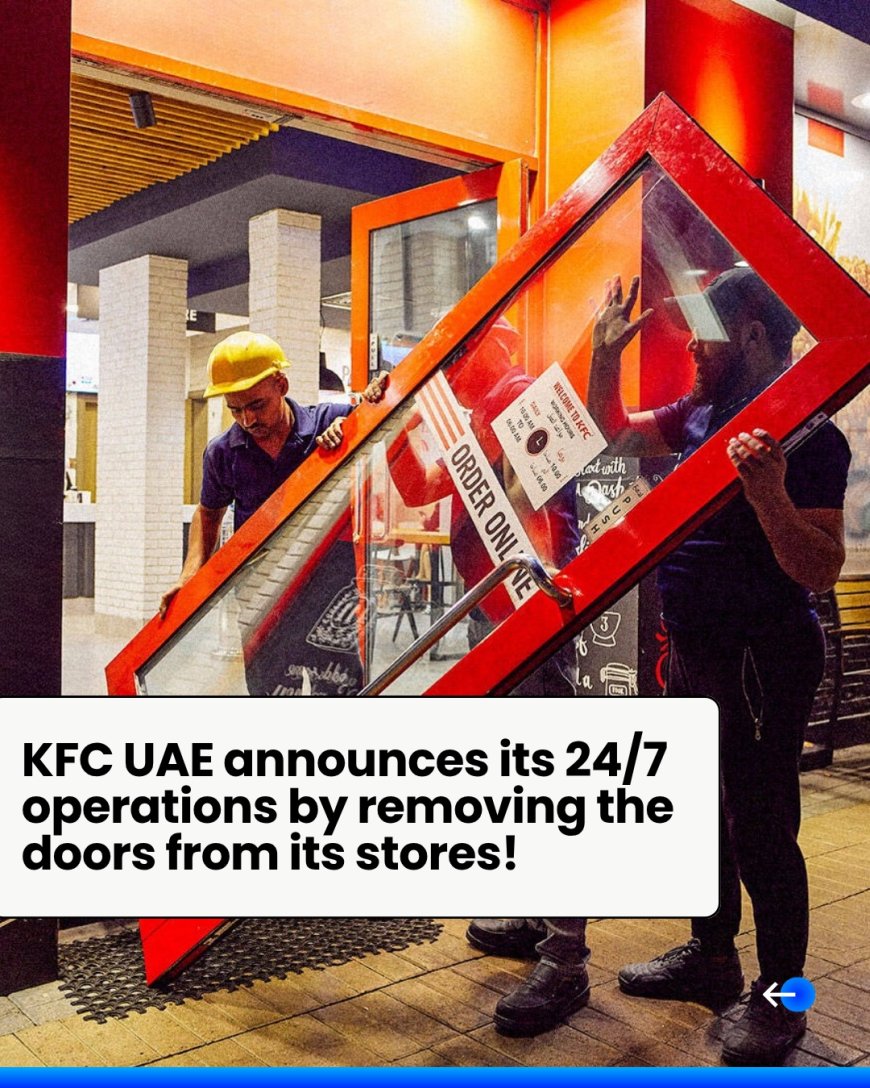
The campaign also integrates a digital layer that bridges the physical and online experience. QR codes displayed on the repurposed doors allow customers to quickly locate the nearest open KFC restaurant at any time of day. This addition ensures the campaign is not merely conceptual but functional. Someone encountering the display late at night can scan and instantly find a location that fits their schedule. The blend of architectural disruption and mobile convenience reflects how contemporary marketing must operate across multiple touchpoints.
Beyond the clever execution, the campaign taps into a broader cultural shift. Modern consumers are accustomed to services that never sleep. Streaming platforms operate continuously. Online shopping has no closing hour. Food delivery apps function around the clock. By physically removing doors, KFC aligns its brick-and-mortar presence with the logic of digital permanence. The restaurant becomes a tangible counterpart to the always-available platforms people use daily.
Of course, doors serve practical purposes beyond signaling business hours. They regulate temperature, enhance security, and provide controlled entry. Removing them—even symbolically—raises immediate questions about logistics and safety. That tension is part of what makes the concept memorable. It prompts conversation. It challenges traditional retail norms and forces people to reconsider how businesses communicate accessibility.
Public reaction to the “Out-Door” campaign has largely centered on its originality and lighthearted tone. Unlike shock-based marketing tactics that rely on controversy, this concept feels playful and confident. The humor is subtle rather than aggressive. It invites engagement instead of demanding it. Photos of the doorless entrances circulate organically because the idea feels clever rather than
forced.Tap the p.hoto to c.ontin.ue rea.ding the ar.ticle.