










Key factual correction (very important)
At first glance, the insect in the photo can easily trigger alarm. Many online posts and articles incorrectly label this type of bug as a bedbug, warning readers that it enters homes for mysterious reasons and poses a serious threat. However, this claim is factually wrong and deserves an important correction. The insect shown in the image is not a bedbug.

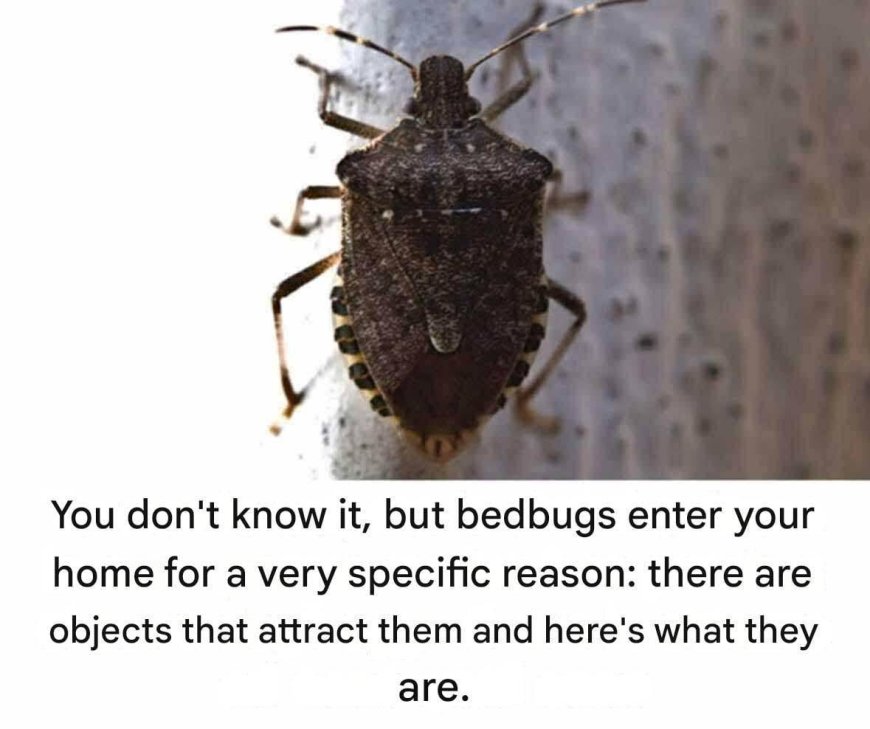
2.
What you are actually seeing is a stink bug, most likely a green or brown stink bug from the family Pentatomidae (such as Palomena species). Understanding this difference is crucial, because bedbugs and stink bugs behave very differently, pose different risks, and require completely different responses.
What the Insect in the Photo Really Is
Stink Bugs (Pentatomidae)
Often green or brown
Shield-shaped body
Commonly found on plants and trees
Frequently enter homes in autumn and winter
Attracted to warmth and shelter
Harmless to humans
Known for releasing a strong odor when disturbed
What It Is NOT
It is not:
A bedbug (Cimex lectularius)
A blood-feeding parasite
A garden pest that lives indoors permanently
A sign of infestation in beds or mattresses
Why People Confuse Stink Bugs With Bedbugs
This confusion spreads rapidly online due to misleading headlines and poorly researched articles. The fear surrounding bedbugs makes readers react emotionally, even when the facts do not match.
Here is the key difference:
Bedbugs (Cimex lectularius)
Do not live in gardens
Are not green
Are flat, oval, and reddish-brown
Hide in mattresses, bed frames, cracks
Feed exclusively on human blood
Spread through luggage, used furniture, bedding
Cause itchy bite marks and infestations
Stink Bugs (Palomena and related species)
Live outdoors most of the year
Enter homes seasonally
Do not bite
Do not infest beds
Do not reproduce indoors
Leave on their own when temperatures rise
Calling stink bugs “bedbugs” can cause unnecessary panic and lead people to take extreme — and incorrect — pest control measures.
Why Stink Bugs Enter Homes
Stink bugs come indoors for one simple reason:
They are looking for warmth and shelter.
As temperatures drop in fall:
They seek protected spaces
They slip through window frames, cracks, vents, and doors
They are drawn to warm walls, radiators, and sunlit surfaces
They are not attracted
to:
Human blood
Dirty homes
Beds or fabrics
Humidity in bathrooms
They simply want a safe place to overwinter.
Are Stink Bugs Dangerous?
No.
Stink bugs:
Do not bite humans
Do not transmit disease
Do not damage furniture or homes
Are mostly a nuisance, not a threat
The biggest issue people face is their odor, which they release when crushed or threatened.
What Actually Repels Stink Bugs
Unlike bedbugs, stink bugs are sensitive to strong smells. Natural deterrents include:
Mint
Lavender
Vinegar
Citrus
Essential oil sprays
Tap the p.hoto to v.iew the full r.ecipe.