










If Your Legs Cramp at Night You Need to Know This Immediately
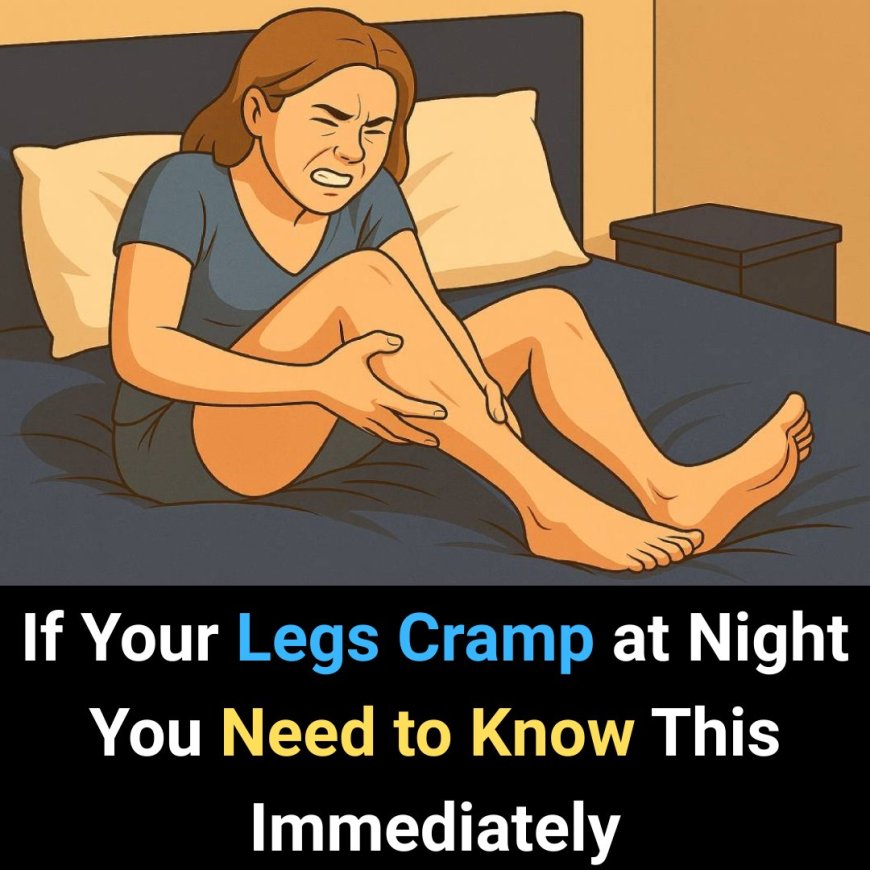
Few things are as shocking as being ripped out of deep sleep by a sudden, stabbing pain in your leg. One moment you’re resting, the next your calf or foot is locked in a hard, painful spasm that feels impossible to escape. You try to move, stretch, or breathe through it—but for long seconds, sometimes minutes, your body simply won’t cooperate. And even after the cramp finally releases, the soreness can linger and ruin the rest of your night.

3.
If Your Legs Cramp at Night You Need to Know This Immediately
You’re sound asleep—then BAM: a knife-like cramp seizes your calf, arch, or thigh. You can’t move. You can’t stretch. You’re locked in excruciating pain for 30 seconds to several minutes—and even after it passes, your muscle aches for hours.
Nighttime leg cramps (also called nocturnal leg cramps) are incredibly common—especially as we age—but they’re not “just part of getting older.” Often, they’re your body’s way of signaling an underlying imbalance or deficiency that can be fixed.
Here’s what you need to know—immediately—to stop the cramps and sleep peacefully again.
The Top 5 Causes of Nighttime Leg Cramps
1. Dehydration or Electrolyte Imbalance
Why: Low levels of magnesium, potassium, calcium, or sodium disrupt muscle function.
Triggers: Sweating, diuretics (water pills), alcohol, or not drinking enough water.
Sip electrolyte water (add a pinch of salt + lemon to water)
Eat potassium-rich foods: bananas, sweet potatoes, spinach
Consider magnesium glycinate (200–400 mg) before bed (consult your doctor first)
2. Magnesium Deficiency (The #1 Culprit)
Why: Magnesium helps muscles relax after contracting. Without it, they stay locked.
Signs: Cramps, twitching, insomnia, anxiety.
Topical: Rub magnesium oil on calves before bed
Oral: Take magnesium glycinate or citrate (avoid oxide—it’s poorly absorbed)
3. Poor Circulation or Sedentary Lifestyle
Why: Sitting all day = blood pools in legs. Muscles become stiff and prone to spasms.
Move hourly during the day
Do 5 minutes of gentle calf stretches before bed
Elevate legs 15 minutes before sleep
4. Medication Side Effects
Common culprits:
Diuretics (furosemide, hydrochlorothiazide) → flush out electrolytes
Statins (atorvastatin) → can cause muscle cramps
Beta-blockers → affect blood flow
Talk to your doctor—don’t stop meds, but ask about alternatives or supplements.
5. Nerve Compression (Often Overlooked!)
Why: A pinched nerve in your lower back (from sitting, arthritis, or disc issues) can cause leg cramps.
Clue: Cramps happen in the same spot, with tingling or numbness.
Fix: See a physical therapist or chiropractor—stretching alone won’t fix nerve issues.
When to See a Doctor Immediately
Seek medical care if cramps are accompanied by:
Leg swelling, redness, or warmth (sign of blood clot)
Muscle weakness or inability to walk
Cramps that don’t improve after 2 weeks of self-care
Dark urine (could indicate rhabdomyolysis—rare but serious)
What to Do During a Cramp (Stop Pain Fast)
Stretch the muscle:
Calf cramp: Stand and press the ball of your foot against a wall, heel down.
Thigh cramp: Pull your foot toward your glute (seated or lying down).
Massage firmly with your hands or a tennis ball.
Apply heat (heating pad or warm towel) to relax
the muscle.
Walk it out—gentle movement increases blood flow.
Don’t bounce or jerk—you could tear the muscle.
Proven Nightly Routine to Prevent Cramps
Hydrate: Drink a glass of water with electrolytes 1 hour before bed.
Stretch: Do 2 minutes of calf/hamstring stretches (see below).
Supplement: Take magnesium glycinate 30 minutes before bed.
Sleep position: Avoid pointing toes—keep feet neutral with a pillow under knees if needed.
2-Minute Bedtime Stretch Routine
Calf stretch: Stand facing a wall, hands on wall, one foot back (heel down). Hold 30 sec/side.
Hamstring stretch: Sit on edge of bed, extend one leg, reach toward toes. Hold 30 sec/side.
Toe curls: Sit and scrunch a towel with your toes for 1 minute.
Final Thought: Your Body Is Trying to Tell You Something
Night cramps aren’t random—they’re feedback. Whether it’s dehydration, deficiency, or inactivity, the solution is often simple, safe, and within your control.
So tonight, stretch, hydrate, and give your muscles the magnesium they crave. One peaceful night of sleep might be all it takes to break the cramp cycle.
You deserve rest—without the pain.
Have you found relief from night cramps? Share your tips below! And if this helped you or someone you love, pass it on. Sometimes, the smallest change brings the deepest relief.