







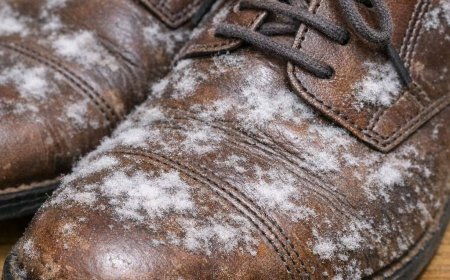


I pulled out shoes I haven’t worn all winter and found white fuzzy patches growing on the leather. What is this?
Finding white, fuzzy patches on leather shoes you haven’t touched all winter can be an unpleasant surprise. One moment you’re ready to welcome spring with a familiar pair of shoes, and the next you’re staring at something that looks more like a science experiment than footwear. It’s a situation many people face after months of cold-weather storage, yet few fully understand what’s actually happening to their shoes behind closed closet doors.

1.
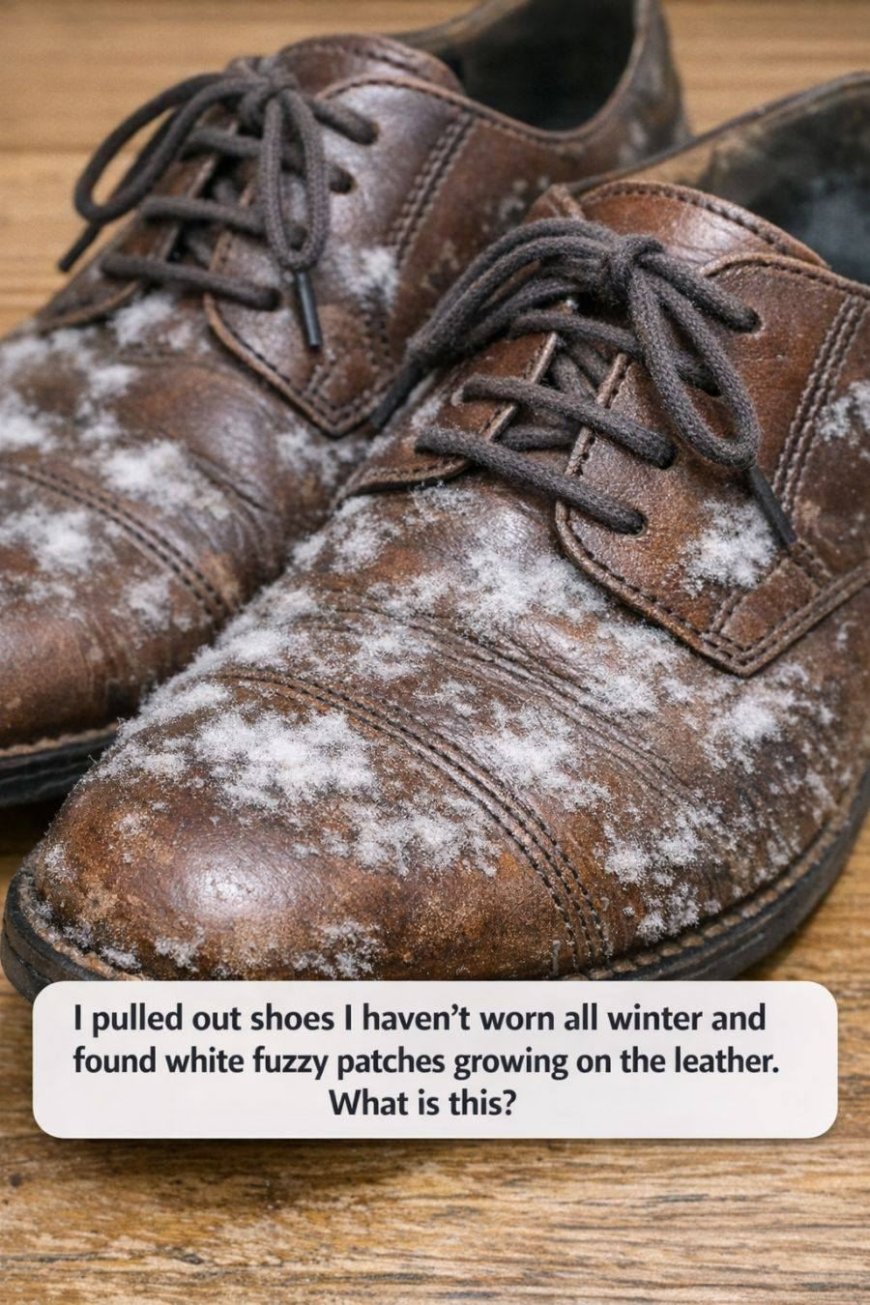
I pulled out shoes I haven’t worn all winter and found white fuzzy patches growing on the leather. What is this?
As winter thaws and spring approaches, many of us eagerly reach for our favorite shoes that have been buried in the closet for months. However, the excitement can quickly turn to dismay when you discover unsightly white fuzzy patches on your beloved leather footwear. This unexpected find can be both perplexing and
concerning, leaving you wondering what caused it and how to address it.
In this article, we'll dive deep into understanding what these white patches are, why they appear, and how you can effectively manage and prevent them. From identifying the culprit to providing practical solutions and preventive measures, we've got you covered.
1. What Those White Fuzzy Patches on Your Leather Shoes Actually Are
The white fuzzy patches you’ve discovered on your leather shoes are most likely mold or mildew. Mold is a type of fungus that thrives in damp, warm environments, and it can appear as a fuzzy, white or greenish growth. Mildew is similar but usually manifests as a powdery, white coating. Both are common on leather products that have been stored improperly.
Leather, being a natural material, is prone to moisture absorption. When shoes are stored in a humid environment without proper ventilation, the conditions become ripe for mold growth. It’s important to note that mold can penetrate the microscopic pores of leather, which is why it’s crucial to address the issue promptly and thoroughly.
2. Why Mold Loves Your Winter-Weary Shoes
During winter, shoes are often stored away in closets or basements, where humidity levels can easily rise above 60%, the threshold where mold begins to thrive. Leather is a porous material, meaning it can absorb moisture from the air. When the ambient temperature fluctuates, condensation can form on the leather surface, providing the moisture mold needs to grow.
Additionally, organic residues like sweat, skin cells, and dirt left on shoes after the last use can serve as a nutrient-rich substrate for mold. Without regular cleaning and maintenance, these residues can exacerbate mold growth, especially during long periods of storage.
3. How to Tell If It’s Mold, Mildew, or Just Salt StainsTap the p.hoto to v.iew the full r.ecipe.