










Home News Voice Cloning Scams Explained: How They Work and How to Protect Yourself Voice Cloning Scams Explained: How They Work and How to Protect Yourself
As artificial intelligence becomes more advanced, the line between real and artificial continues to blur. What once required sophisticated studios and long recordings can now be done with startling ease—sometimes using only a few seconds of captured audio. Among the most concerning developments is voice cloning: technology capable of mimicking a person’s speech so convincingly that even close friends or family may struggle to tell the difference.

1.
Voice Cloning Scams Explained: How They Work and How to Protect Yourself
Artificial intelligence is no longer limited to writing text or generating images. Today, it can replicate a human voice with remarkable accuracy—and it doesn’t require long recordings to do so.
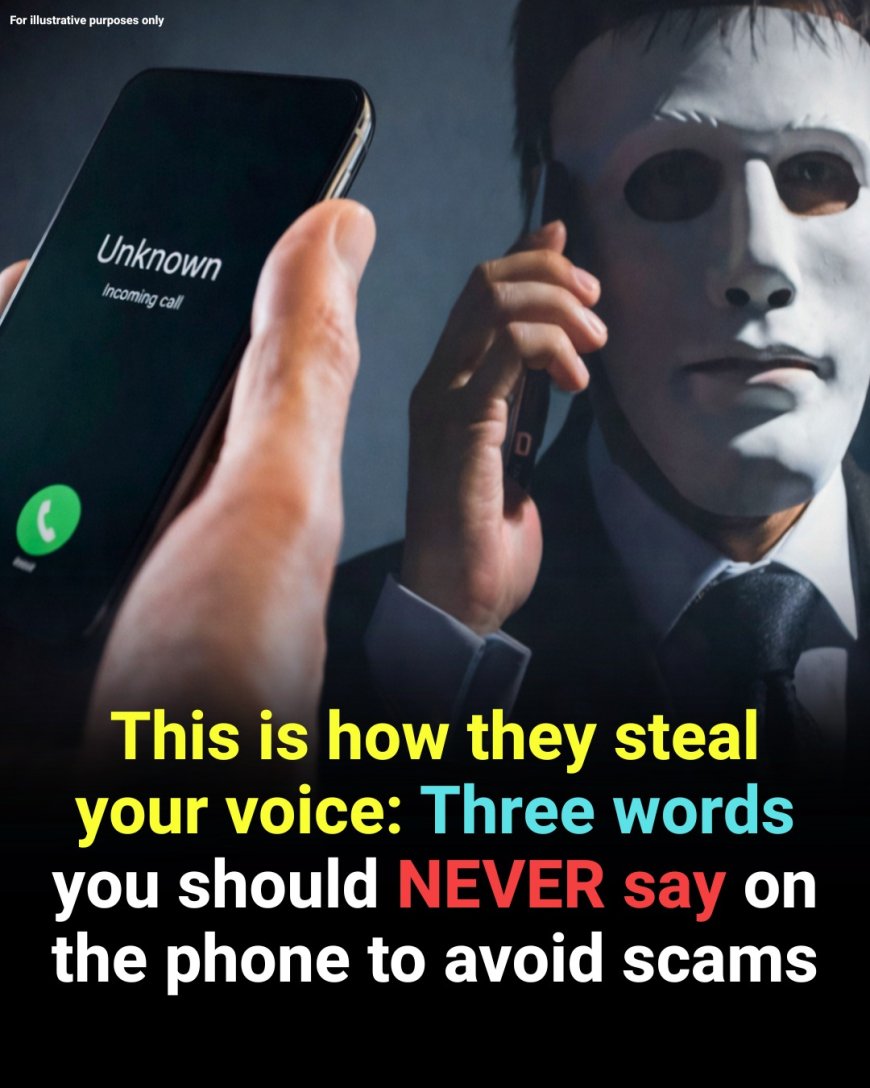
In many cases, just a few seconds of audio captured during a phone call are enough.
This means that simple responses such as “yes,” “hello,” or even “uh-huh” can be exploited for fraud, identity theft, and financial scams.
Your voice is no longer just how you communicate. It has become biometric data, comparable to a fingerprint or facial recognition.
Your Voice as a Digital Signature
Modern voice-cloning systems analyse multiple elements of speech, including:
Tone and pitch
Intonation
Rhythm and pacing
Accent
Speaking habits
Using these characteristics, artificial intelligence can create a digital voice model that sounds convincingly like a real person.
Once criminals obtain such a model, they may attempt to:
Call family members while impersonating you
Send voice messages requesting money
Attempt to authorise payments
Access services that rely on voice verification
All without you being present or aware.
Why Saying “Yes” Can Be Risky
One common method used by scammers is often referred to as the “Yes” scam.
It typically follows this pattern:
A caller asks a simple question
The recipient answers “yes”
The response is recorded
The recording is later presented as proof of consent
That audio may then be used to falsely claim you agreed to a purchase, contract, or subscription.
Because of this, consumer-protection experts advise avoiding direct verbal confirmations when dealing with unknown callers.
Even “Hello” Can Be Exploited
Many automated or suspicious calls are not attempting to have a conversation.
Instead, they are checking:
Whether a phone number is active
Whether a real person answers
Whether a voice sample can be recorded
Saying “hello” can confirm all three.
Even a short greeting can provide enough material to begin basic voice replication.
A Safer Way to Answer the Phone
To reduce risk when receiving unknown calls:
Wait for the caller to speak first
Ask them to identify themselves clearly
Ask who they are trying to reach
This approach avoids giving away your voice before knowing who is calling.
Why AI-Based Scams Sound So Convincing
Modern voice-cloning technology can:
Reproduce natural speech patterns
Imitate emotional
tone
Adjust speed and accent
With minimal input, it can generate audio that sounds authentic and emotionally realistic. This is why many victims believe they are speaking to a trusted family member, a bank, or a legitimate organisation.
Practical Steps to Protect Your Voice
Tap the p.hoto to v.iew the full r.ecipe.