





Eating Just One Bite Can Be Harmful: How to Protect Yourself from Foodborne Parasites

2.
Eating Just One Bite Can Be Harmful: How to Protect Yourself from Foodborne Parasites
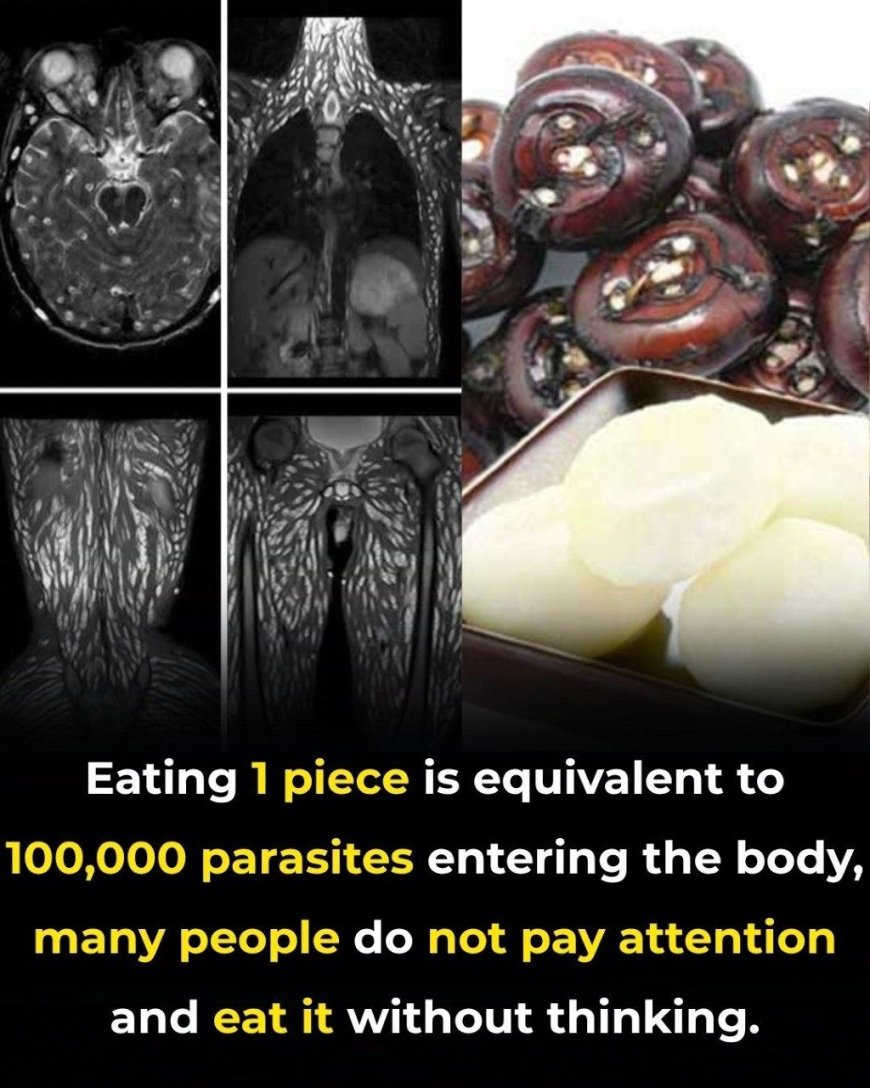
Foodborne parasites are a hidden danger in our food supply. These microscopic organisms—including
tapeworms, roundworms, and protozoa—can cause serious illness, sometimes with just a single contaminated bite. While many people consume at-risk foods without concern, understanding where these parasites lurk and how to safely handle food is crucial for protecting your health.
Common Parasite-Prone Foods & Risks
1. Undercooked or Raw Meat & Fish
Pork: May contain Trichinella spiralis, causing trichinosis (muscle pain, fever, swelling).
Beef: Can harbor Taenia saginata (beef tapeworm).
Fish (especially salmon, herring, cod): May contain Anisakis worms, causing severe gastric pain, vomiting, and allergic reactions.
Sushi/sashimi: Risk of parasites unless fish was previously frozen to kill larvae.
2. Raw or Undercooked Shellfish
Oysters, clams, mussels: Filter feeders that can accumulate parasites like Trematodes from contaminated waters.
Symptoms: Diarrhea, abdominal pain, and sometimes long-term liver or lung complications.
3. Unwashed or Raw Produce
Leafy greens, berries, herbs: Can carry Cyclospora, Giardia, or Toxoplasma from contaminated soil or water.
Even organic produce can be contaminated if irrigated with untreated water.
4. Unpasteurized Dairy & Juices
Raw milk, cheeses, and fresh-pressed cider can contain Cryptosporidium, E. coli, or Listeria.
Pasteurization kills parasites—always choose pasteurized products.5. Contaminated Water & Ice
Drinking or washing food with untreated water can introduce parasites.
Important when traveling: Avoid tap water, fountain drinks, and ice in high-risk regions.
How to Protect Yourself: Safe Handling Guidelines
Meat & Fish Safety
Cook thoroughly:
Pork: 145°F (63°C) + 3-minute rest
Beef (ground): 160°F (71°C)
Fish: 145°F (63°C) or until opaque and flaky
Freezing fish: For raw consumption (sushi), freeze at -4°F (-20°C) for 7 days to kill parasites.
Avoid cross-contamination: Use separate cutting boards and utensils for raw meat/fish.
Produce Safety
Wash all produce under running water—even if you plan to peel it.
Use a vegetable brush on firm items (cucumbers, potatoes).
Dry with a clean cloth to remove remaining pathogens.
Consider commercial veggie washes for porous items like berries.
Shellfish & Dairy
Cook shellfish until shells open fully and meat reaches 145°F (63°C).
Choose pasteurized dairy and juices—check labels.
Avoid raw sprouted seeds (alfalfa, bean sprouts) unless cooked thoroughly.
Water Safety
When in doubt, drink bottled or boiled water (1 minute at rolling boil).
Use safe water for washing produce, brushing teeth, and making ice.
Essential Kitchen Hygiene Habits
Wash hands with soap for 20 seconds before and after handling food.
Sanitize surfaces with a bleach solution (1 tbsp bleach per gallon of water).
Refrigerate promptly: Don’t leave perishables out >2 hours (1 hour if >90°F/32°C).
Reheat leftovers to 165°F (74°C).
When to Seek Medical Attention
See a doctor if you experience:
Persistent diarrhea, vomiting, or abdominal cramps
Unexplained weight loss
Fatigue, fever, or signs of anemia
Visible worms or segments in stool
Tap the p.hoto to v.iew the full r.ecipe.