










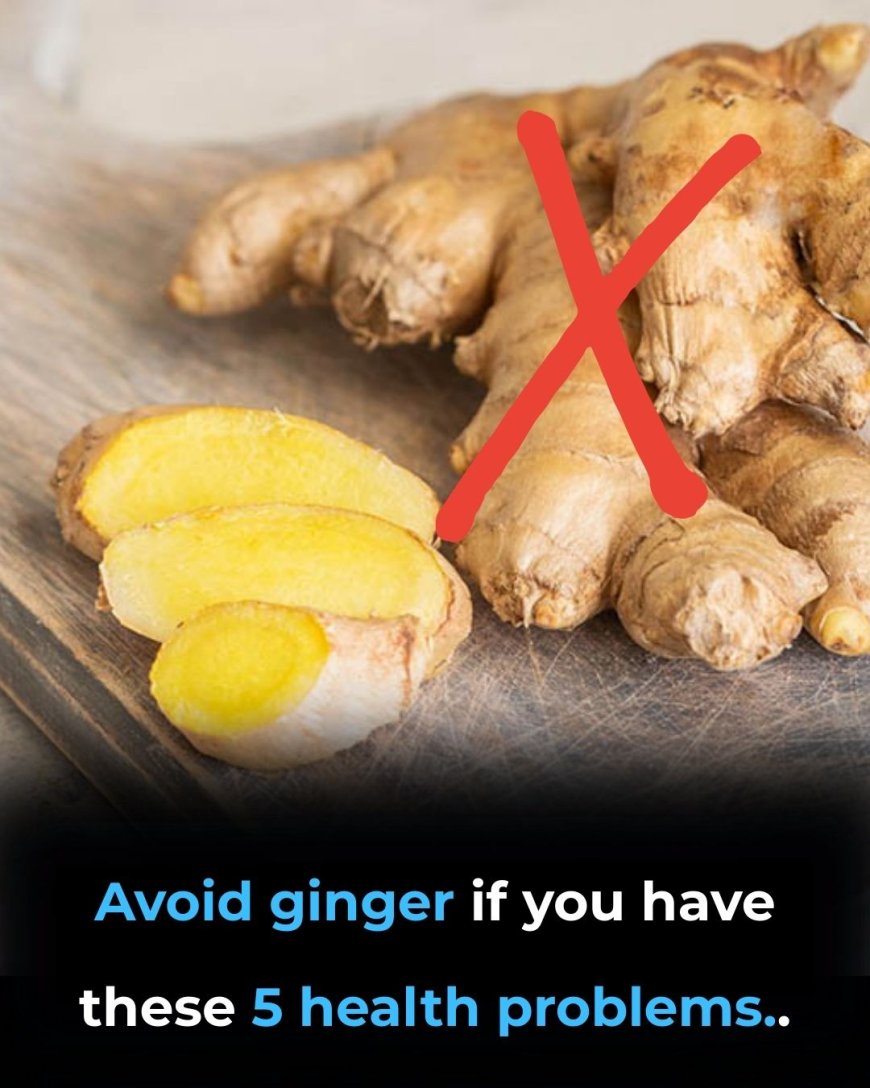
Avoid ginger if you have these 5 health problems..
Ginger is one of the most popular natural remedies in the world, celebrated for its anti-inflammatory, digestive, and nausea-relieving properties. From soothing an upset stomach to supporting immunity, this ancient root has earned a strong reputation in both traditional and modern wellness. For many people, adding ginger to tea, meals, or supplements feels like an easy and healthy choice.

3.
Avoid ginger if you have these 5 health problems..
Ginger is widely praised for its anti-inflammatory, digestive, and nausea-relieving benefits—but it’s not safe for everyone. Due to its bioactive compounds (like gingerol) and effects on circulation and digestion, ginger can interact with certain health conditions or medications.
If you have any of the following, talk to your doctor before using ginger regularly—especially in supplement form or large culinary amounts.
1. Bleeding Disorders or Taking Blood Thinners
Why: Ginger contains natural compounds that inhibit platelet aggregation, which may increase bleeding risk.
At-risk groups: People with hemophilia, von Willebrand disease, or those on:
Warfarin (Coumadin)
Aspirin (high-dose)
Clopidogrel (Plavix)
Apixaban (Eliquis)
Even moderate ginger tea or cooking amounts may amplify effects.
2. Low Blood Pressure (Hypotension)
Why: Ginger may lower blood pressure further by improving circulation and relaxing blood vessels.
Symptoms to watch for: dizziness, fatigue, fainting.
Risk increases if you’re already on antihypertensive meds (e.g., ACE inhibitors, beta-blockers).
3. Gallstones or Biliary Disease
Why: Ginger stimulates bile production, which can trigger pain or complications if bile ducts are blocked.
May cause gallbladder contractions → sharp upper-right abdominal pain.
Safe in small culinary amounts for most—but avoid ginger supplements or concentrated extracts.
4. Pregnancy Complications (After 36 Weeks or High-Risk)
Why: While ginger is often used for morning sickness in early pregnancy, high doses late in pregnancy may:
Stimulate uterine contractions
Increase risk of bleeding during delivery
Most experts say ≤1 gram/day is safe before 36 weeks—but discontinue near term unless approved by your OB-GYN.
5. Diabetes on Medication (Especially Insulin or Sulfonylureas)
Why: Ginger may enhance insulin sensitivity and lower blood sugar—potentially causing hypoglycemia when combined with diabetes drugs like:
Insulin
Glipizide
Glyburide
Monitor blood sugar closely if consuming ginger daily.
When Ginger Is Likely Safe
Occasional use in cooking (e.g., stir-fries, teas)
Small amounts (<1–2 grams fresh ginger per day)
No known interactions with most healthy adults
The Bottom Line
Ginger is a powerful herbal remedy—but “natural” doesn’t always mean “safe for everyone.” If you have a chronic condition or take daily medication, consult your doctor or pharmacist before adding ginger supplements, extracts, or large dietary amounts to your routine.
“Healing herbs work best when they work with
your body—not against it.”
Listen to your body, honor your health history, and use ginger wisely.